(A CASE STUDY AND BUSINESS MODEL ANALYSIS)
Introduction: Why CASETiFY Is More Than a Phone Case Brand
When people talk about custom phone cases brands, CASETiFY almost always comes up as a benchmark.
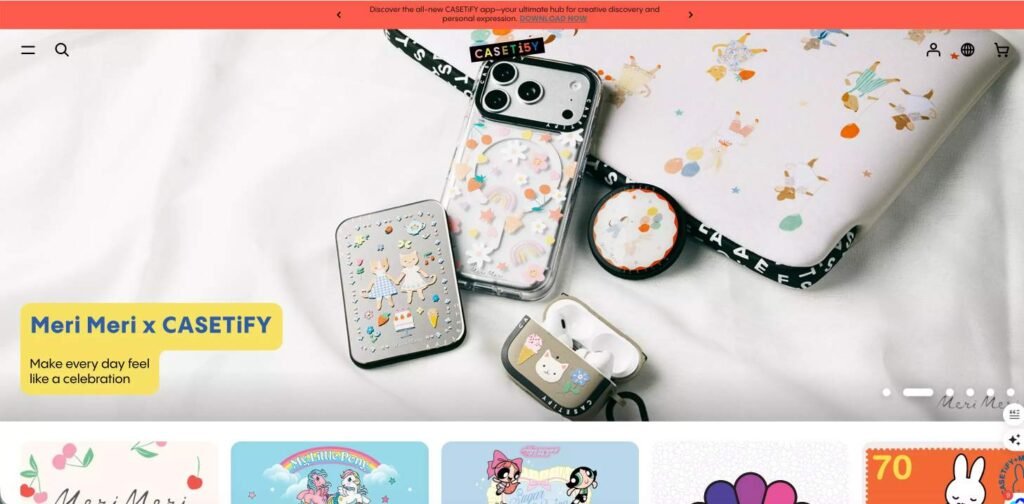
Founded in 2011, CASETiFY didn’t win by competing on price or basic protection. Instead, it redefined the custom phone cases as a medium for self-expression, blending customization, design, pop culture, and retail experience into a globally scalable business.
But what truly makes CASETiFY worth studying is not just what they sell — it’s how they built a repeatable growth engine by combining online customization with offline experience.
This article breaks down:
- How CASETiFY built its brand and business model
- Why its omnichannel strategy works
- How the same logic can be evolved into a more scalable, location-driven model
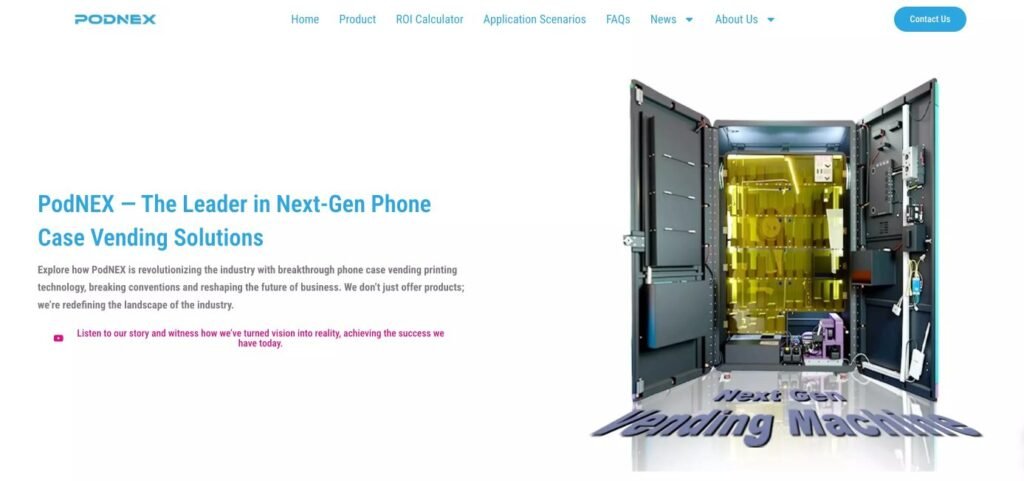
- How PODNEX applies these insights through custom phone case vending machines + online platforms
1.CASETiFY’s Core Insight: People Don’t Buy Phone Cases — They Buy Identity
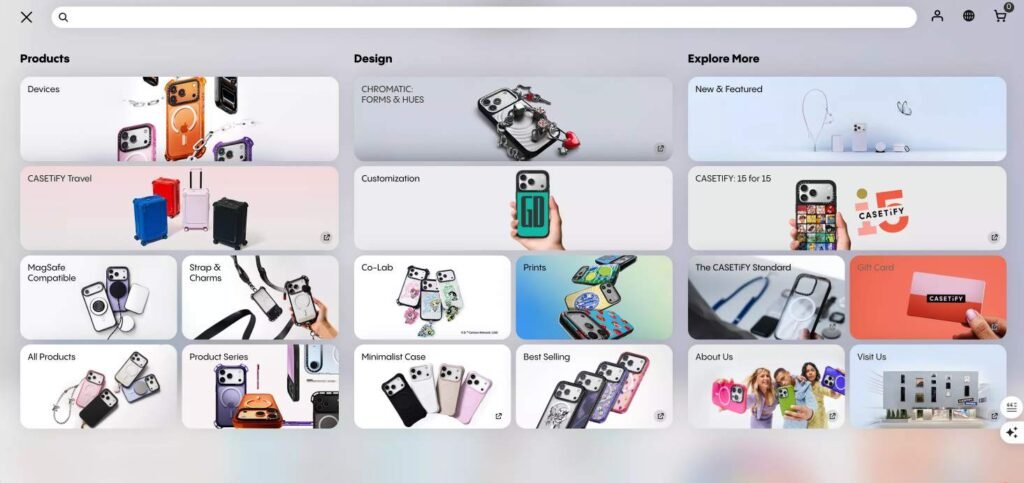
At its core, CASETiFY understood one simple truth early on:
A phone case is not just protection.It is one of the most visible personal items people carry every day.
In this context, custom phone cases become a form of personal identity rather than a functional accessory.
CASETiFY positioned its products around:
-
Personal identity (names, initials, photos)
-
Cultural belonging (art, music, anime, fashion, IP collaborations)
-
Emotional moments (gifts, memories, milestones)
This framing transformed the phone case from a commodity into a personal artifact — something worth customizing, sharing, and replacing over time.

2.The CASETiFY Business Model: DTC First, Omnichannel by Design
Online: Turning Ordering Into a Creative Process
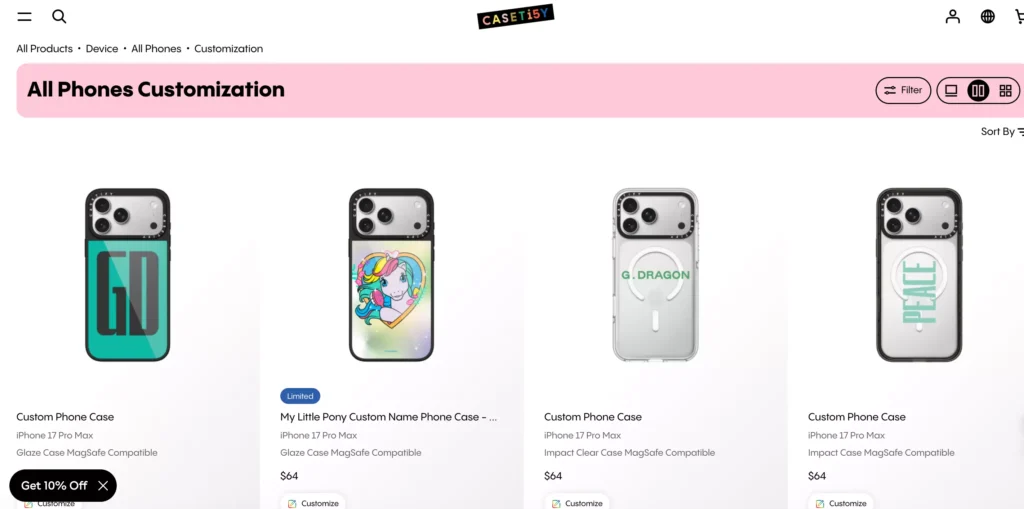
CASETiFY’s direct-to-consumer (DTC) foundation is built on one key experience:
standardized customization at scale.
Users are not simply “placing an order”; they are:
- Selecting templates
- Adjusting fonts and layouts
- Uploading photos
- Previewing results in real time
This creates:
- Higher engagement time
- Strong emotional attachment to the product
- Natural social sharing (“I designed this myself”)
Customization becomes part of the product value — not a backend service.
Offline: Stores as Experience Engines, Not Inventory Centers
CASETiFY’s physical stores are not traditional retail shops.
They function as:
- Brand showcases
- Content-creation spaces
- Social media backdrops
- Entry points into the online ecosystem
In major cities, CASETiFY stores are designed to be:
- Highly visual
- Easy to photograph
- Instantly recognizable
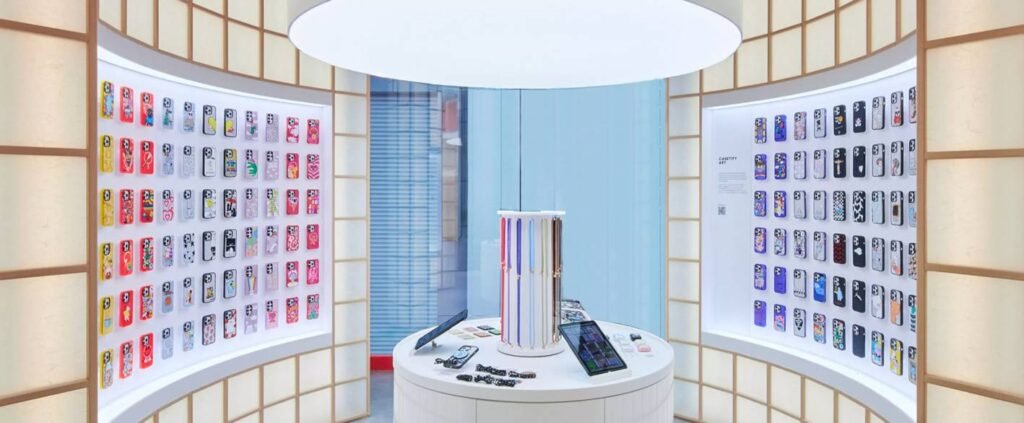
The store reminds customers why the brand is special — while online channels handle scale, repeat purchases, and long-term relationships.
3.Product Strategy: Customization + Drops = Stability + Growth
For the custom phone cases category, this dual-engine strategy creates both stability and growth.
CASETiFY runs two complementary product engines:
1. Custom Products (The Stable Base)
- Personalized names
- Photos
- Minimalist typography
- Gifts and daily use
This side of the business:
- Never goes out of style
- Drives consistent demand
- Supports repeat purchases
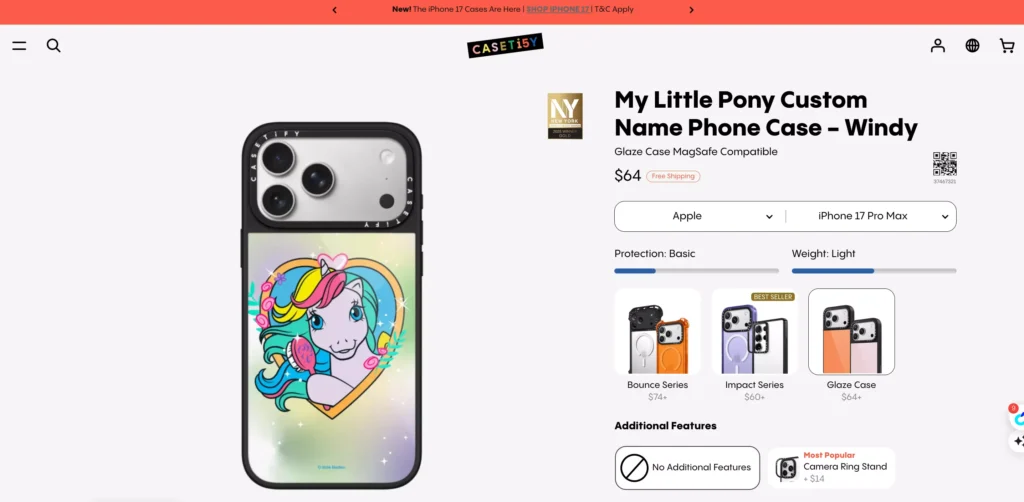
2.Limited Drops & Collaborations (The Growth Accelerator)
- Artist collaborations
- Pop culture IPs
- Seasonal collections
These drops:
- Create urgency
- Generate media and social buzz
- Continuously attract new customers
The combination is critical:
Customization sustains the business; drops expand it.
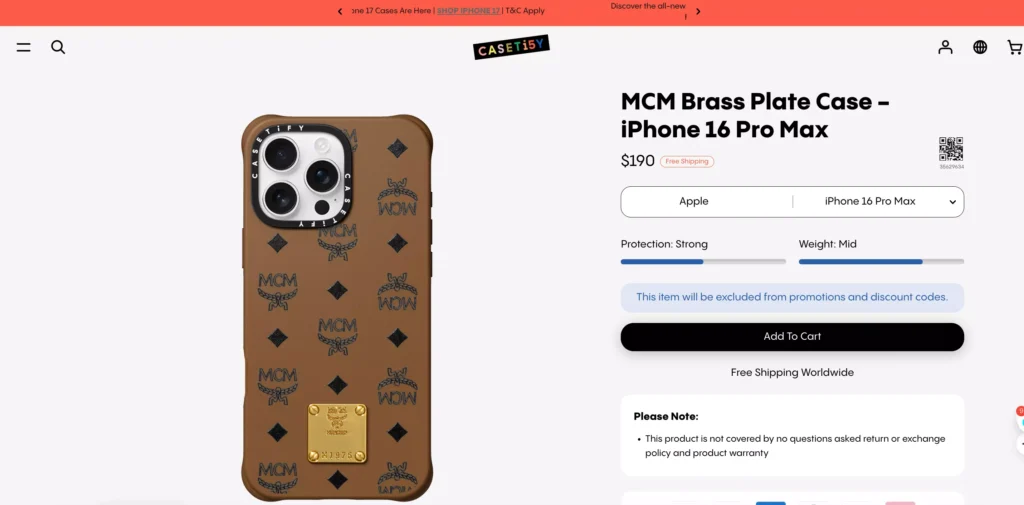
4.Why CASETiFY Can Charge a Premium
CASETiFY’s pricing power comes from three layers:
- Brand & Design Language
- Customers buy into a recognizable aesthetic and cultural relevance.
- Participation Value
- Users co-create the product, increasing perceived ownership and emotional value.
- Scarcity & Timeliness
- Limited drops and collaborations introduce “now or never” dynamics.
Once a phone case becomes identity-driven and experience-driven, price stops being the primary decision factor.

5.Translating CASETiFY’s Logic Into a More Scalable Model
CASETiFY’s model is powerful — but physical stores come with high costs:
-
Rent
-
Staffing
-
Long setup cycles
The core question becomes:
Can we preserve the experience and customization —while making offline expansion faster, lighter, and more scalable?
This shift reflects how the custom phone cases market is moving toward faster, more accessible offline touchpoints.
This is where PODNEX enters.
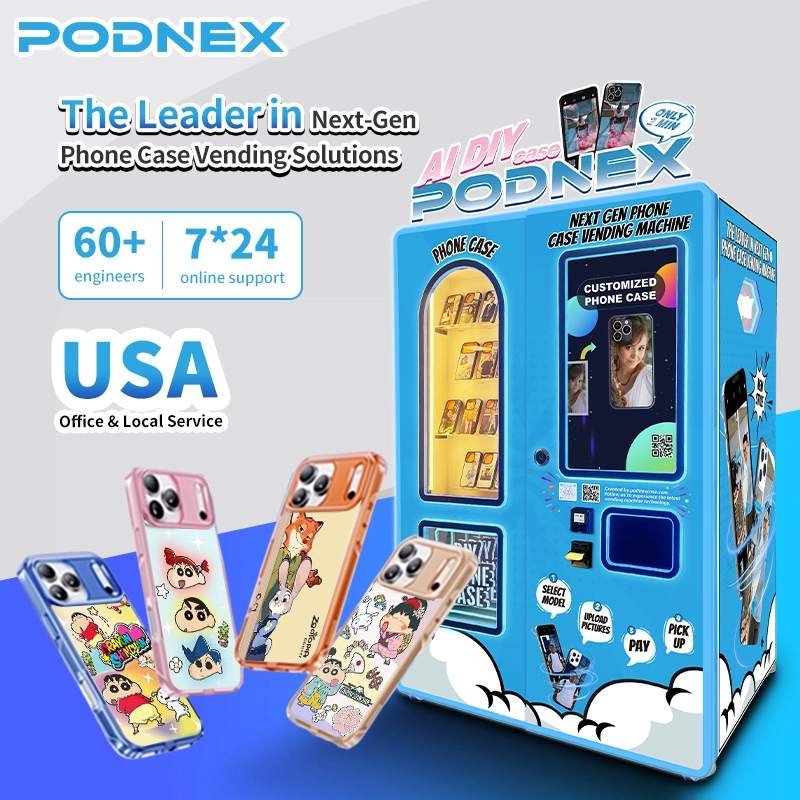
6.PODNEX: The Evolution of Custom Phone Cases Retail
PODNEX applies the same strategic principles as CASETiFY — but with a different offline carrier.
PODNEX’s One-Sentence Model
Capture high-intent foot traffic offline → complete customization on the spot → deliver instantly → retain customers online for repeat purchases.
PODNEX makes custom phone cases more accessible without compromising the experience.
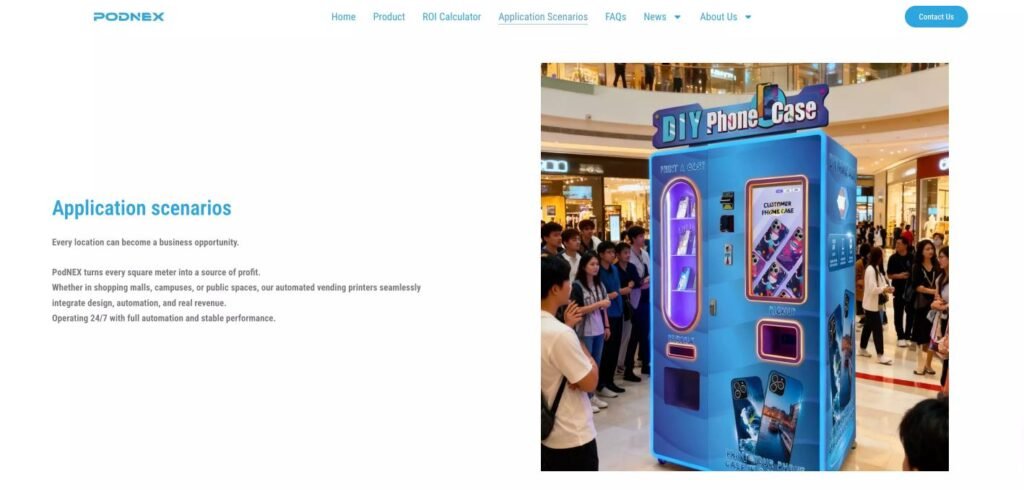
7.Offline Reimagined: Vending Machines as Micro Experience Centers
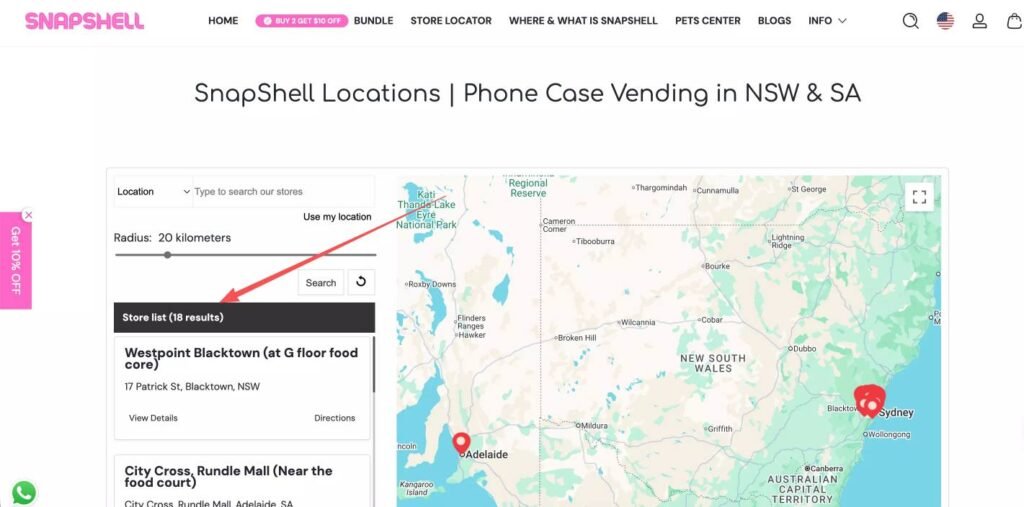
Instead of large stores, PODNEX uses custom phone case vending machines placed in high-traffic locations such as:
- Shopping malls
- Tourist attractions
- Campuses
- Airports
- Entertainment venues
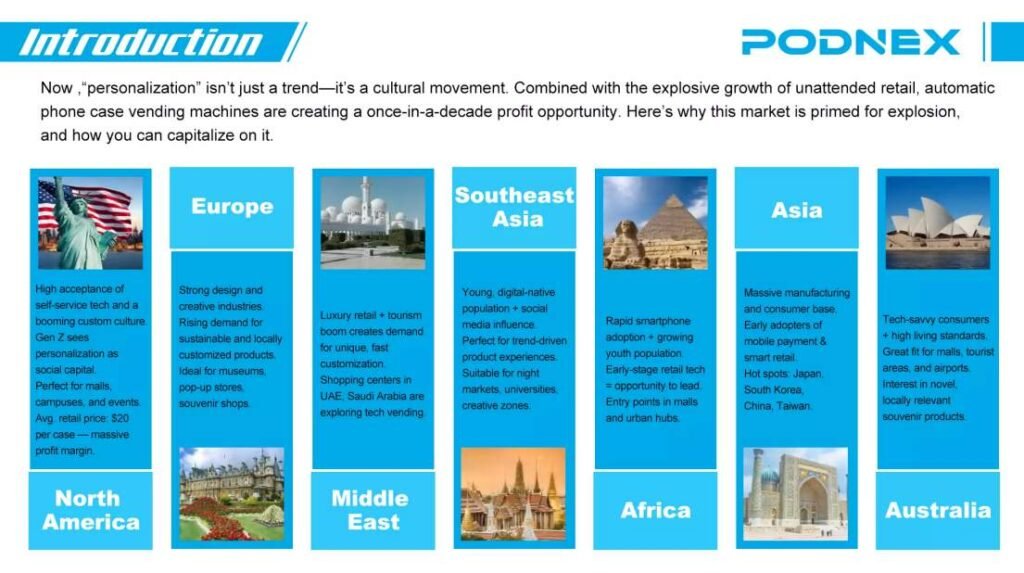
These machines are not “snack vending machines” — they are:
- Interactive
- Visual
- Designed for social sharing
- Capable of on-the-spot customization and printing
Key advantage:
Each machine acts as a miniature CASETiFY-style experience, without the cost and rigidity of a full retail store.
8.The Role of the Online Platform: Turning One-Time Buyers Into Long-Term Users
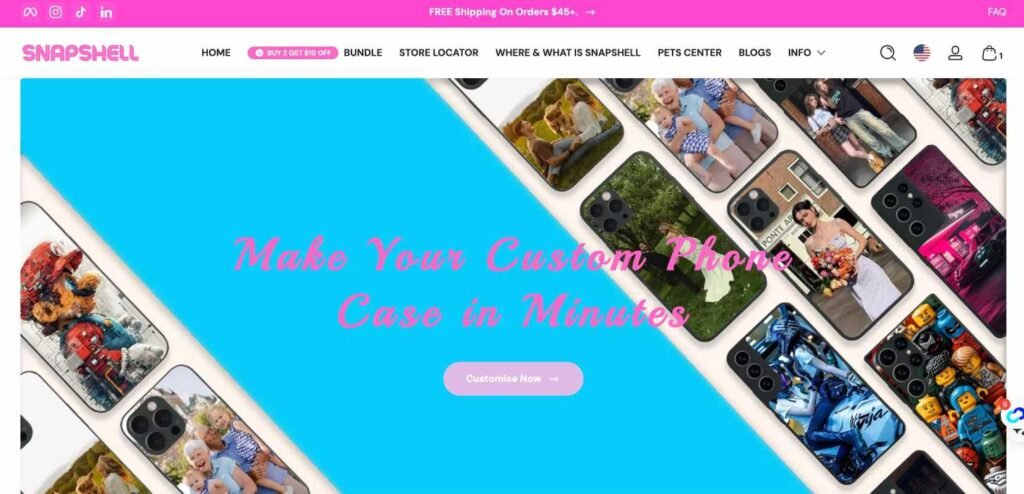
Just like CASETiFY, PODNEX does not treat offline sales as isolated transactions.
The online platform serves to:
- Store user designs
- Enable reorders from anywhere
- Launch new template drops
- Run seasonal campaigns
- Build membership and loyalty systems
Offline drives discovery and impulse.
Online drives lifetime value.
9.Drop Logic for Machines: Making Locations Feel “Alive”
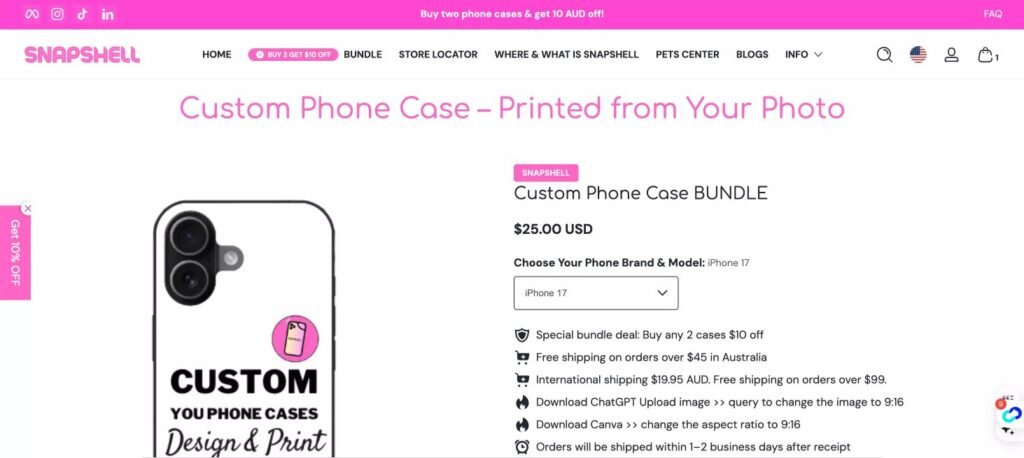
Borrowing from CASETiFY’s drop strategy, PODNEX enables:
-
Monthly or seasonal template updates
-
Location-specific designs (city, event, campus themes)
-
Limited-time campaigns tied to holidays or local culture
This ensures that:
-
Machines do not feel static
-
Customers have reasons to return
-
Each location becomes its own micro-market
10.PODNEX Brand Positioning: More Than a Machine Supplier
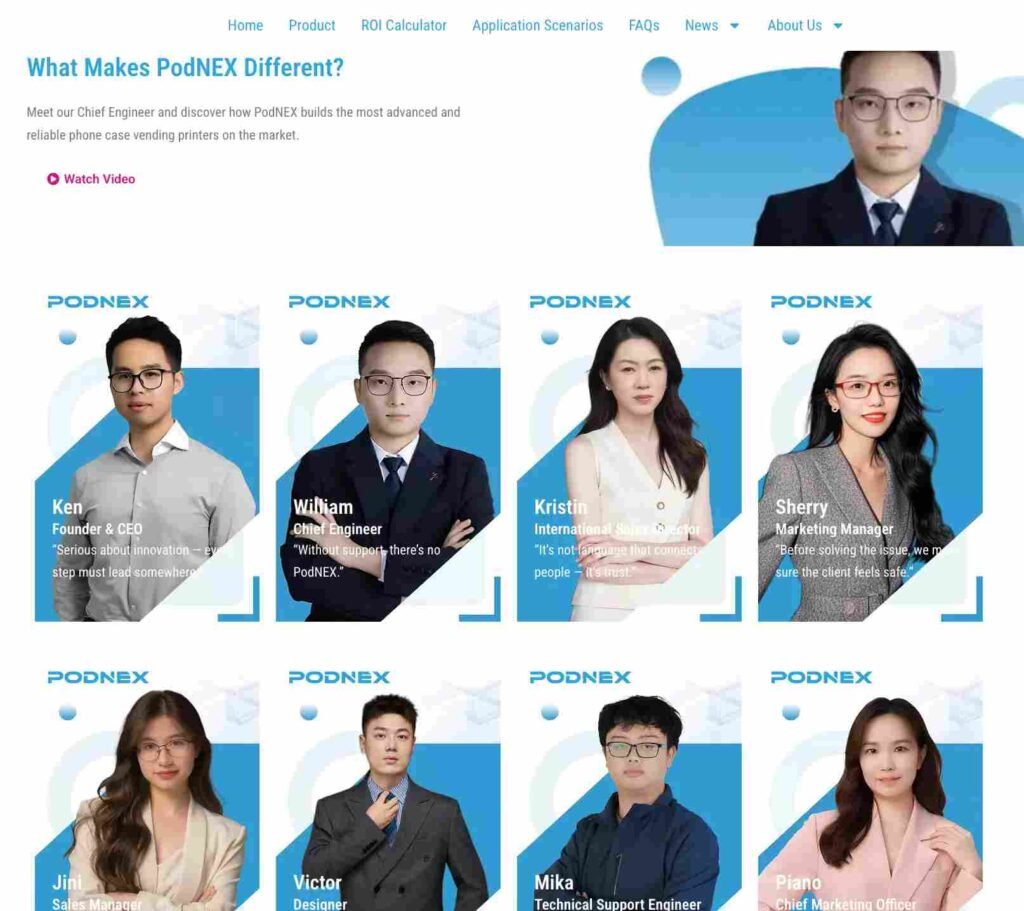
PODNEX is not just selling equipment.
It is offering a business system:
- Hardware (custom printing vending machines)
- Software (design, customization, backend management)
- Content logic (templates, drops, campaigns)
- Omnichannel strategy (offline traffic + online retention)
The goal is to help partners worldwide build repeatable, profitable customization businesses, not just install machines.
Conclusion: The Future of Custom Phone Case Retail
As demand for custom phone cases continues to grow, the real challenge lies in how these experiences are delivered at scale.
CASETiFY proved that:
- Custom phone cases can be premium
- Personalization creates loyalty
- Offline experience amplifies online growth
PODNEX builds on that foundation by answering a new question:
How do we scale this model faster, lighter, and closer to where people already are?
The answer lies in experience-driven vending + omnichannel design — turning everyday locations into profitable customization points, and turning one-time buyers into long-term brand users.