Introduction
This handbook breaks down the most practical phone case vending machine profit models, helping operators evaluate risk, return, and scalability before making investment decisions.
A phone case vending machine is not just a piece of equipment.
It is a flexible commercial tool that can be used in different ways, depending on who you are and what you want to achieve.
This handbook summarizes the most common and proven business models currently used in real markets.
There is no “best” model.
The right model depends on your resources, involvement level, and business goals.
Which Business Model Fits You Best?
The comparison below outlines the core Phone Case Vending Machine Profit Models, making it easier to match each structure with different investment profiles.
| If you are… | Recommended Business Model |
| Want to run your own small business | Self-Operation |
| Want to scale with multiple machines | Multi-Machine Operation |
| Have a location but prefer lower risk | Revenue Sharing |
| Focus on selling equipment and solutions | Equipment Resale + Consumables |
| Want stable, predictable income | Machine Leasing |
| Want a ready-made, proven business system | Franchise / System Leasing |
| Want to build and control a regional market | Regional Operator / Agent |
Many successful operators start with one model and gradually evolve into another.
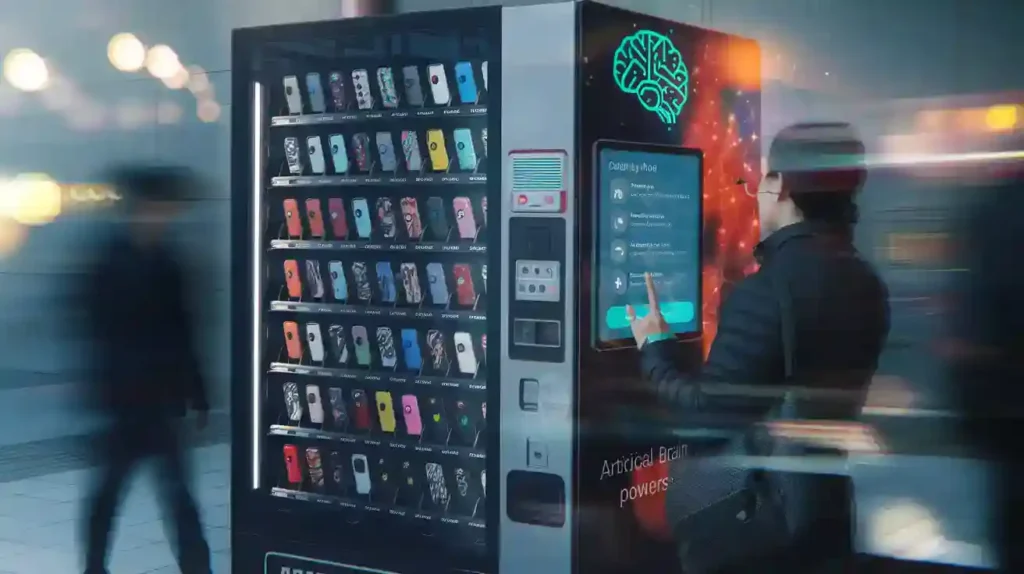
The following seven structures represent the most widely used Phone Case Vending Machine Profit Models in real-world commercial environments.
Business Model 1
Self-Operation
Overview
Buy the machine, place it in a high-traffic location, and sell phone cases directly.
How it works
-
You own the machine
-
You choose the location
-
The machine runs automatically
-
You restock cases and ink
Revenue source
-
Retail profit from each phone case sold
Typical reference
-
Retail price: USD 20–25 per case
-
Material cost: USD 1.5–2.5 per case
-
Common sales range: 20–30 cases per day
Best for
-
Individual entrepreneurs
-
First-time operators
-
Location resource holders
This model is often the starting point for many Phone Case Vending Machine Profit Models, especially for first-time operators.

Business Model 2
Multi-Machine Operation
Overview
Replicate a proven single-machine setup across multiple locations.
How it works
-
Start with one successful machine
-
Deploy additional machines using the same model
-
Centralize management and restocking
Revenue source
-
Combined retail profit from all machines
Typical logic
-
One machine generates steady cash flow
-
Multiple machines multiply total income
Best for
-
Operators who already validated one machine
-
Teams building a long-term business
Business Model 3
Revenue Sharing
Overview
You provide the machine, the location partner provides space, and revenue is shared.
How it works
- No fixed rent
- Revenue is split by agreement (commonly 60/40 or 70/30)
Revenue source
- Percentage of total sales
Best for
- Shopping malls, campuses, public venues
- Operators seeking lower upfront risk
Business Model 4
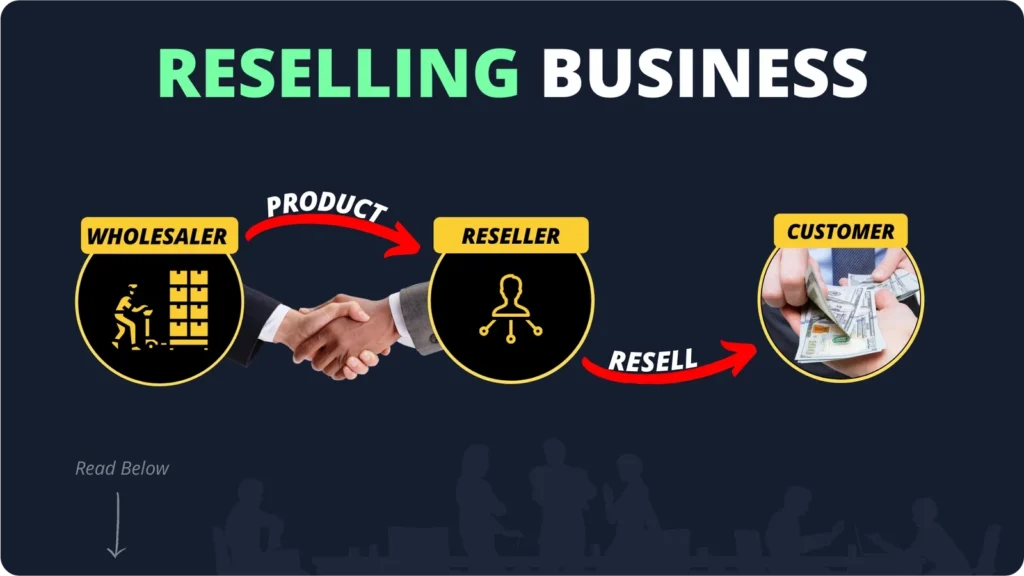
Equipment Resale + Consumables
Overview
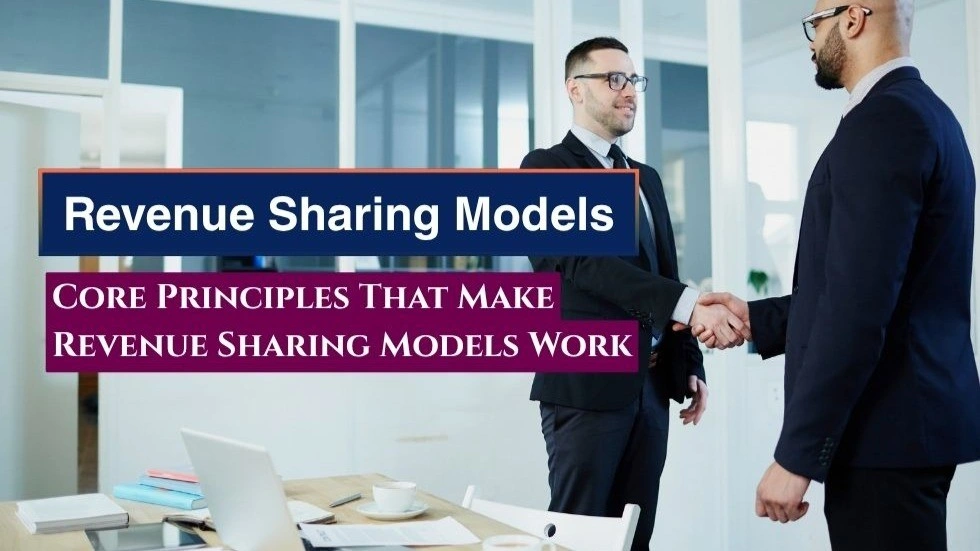
Sell machines for upfront profit and earn long-term income from consumables.
How it works
- Sell vending machines to local customers
- Supply phone cases, ink, and spare parts continuously
Revenue source
- One-time equipment sales margin
- Recurring consumables and service income
Typical consumption
- 500–800 phone cases per machine per month
Best for
- Distributors
- Equipment traders
- B2B solution providers
Business Model 5
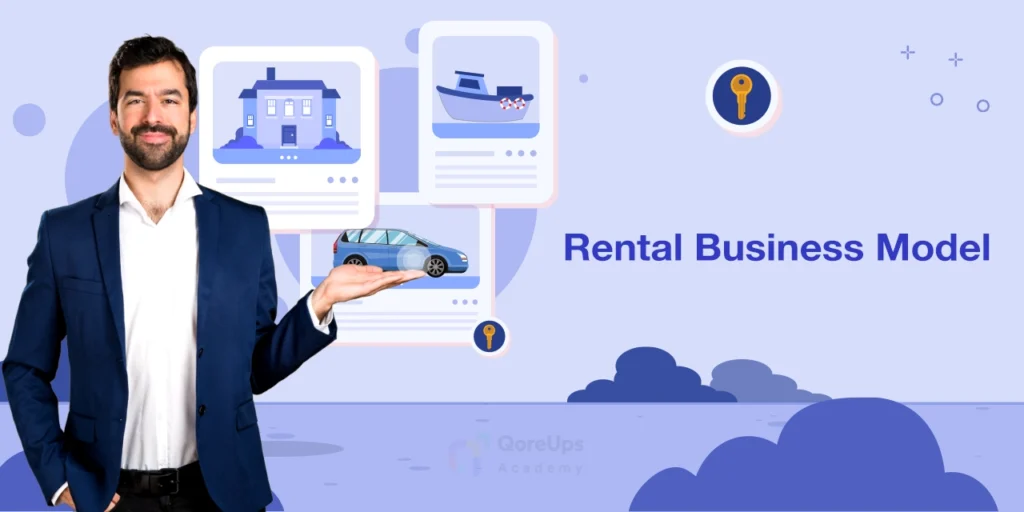
Machine Leasing
Overview
Lease machines to operators and earn fixed monthly income.
How it works
- You own the machine
- Others operate it
- Monthly leasing fee is paid to you
Revenue source
- Monthly lease fee
- Consumables supply
Typical reference
- Lease fee: USD 800–1,200 per month per machine
Best for
- Capital-oriented investors
- Low-involvement business profiles
Business Model 6
Franchise / System Leasing
Overview
Clients operate the business under a complete, proven system.
How it works
- Client pays a joining or system fee
- You provide templates, pricing guidance, SOPs, and training
- Ongoing support and consumables supply
Revenue source
- Joining / franchise fee
- Monthly service or system fee
- Consumables margin
Best for
- Beginners who want guidance
- System-oriented entrepreneurs
Business Model 7
Regional Operator / Agent
Overview
Build and manage the business at a city or country level.
How it works
- Operate your own machines
- Sell machines to others
- Provide local service and consumables
Revenue source
- Own machine operation profit
- Equipment sales
- Consumables and service income
Best for
- Experienced investors
- Teams with local market resources
Final Note
The machine is the same.
The outcome depends on how you choose to use it.
This handbook is designed to help you:
-
Understand your options
-
Match the right model to your profile
-
Make a rational business decision
Understanding Phone Case Vending Machine Profit Models is the first step toward building a sustainable and scalable vending business.
About PODNEX
PODNEX is a new-generation leader in AI phone case vending machines from China.
All hardware and software are 100% independently developed, manufactured under industrial-grade production standards.
PODNEX is the only company in the industry that has published an official industry white paper, setting benchmarks in both technology direction and service standards.
It is also the only Chinese manufacturer in this field with a local subsidiary in Los Angeles, USA, supported by an in-house team of 50+ engineers delivering 7×24 technical support worldwide.
Beyond manufacturing high-quality machines, PODNEX provides a complete business ecosystem — covering product solutions, location guidance, marketing support, and full lifecycle service — helping partners succeed in unattended retail.
With English-speaking engineers and a dedicated international market team, PODNEX is committed to delivering service beyond expectations and leading the future of intelligent vending.