Introduction
Understanding the right vending machine location strategy is one of the most important factors in building a successful phone case vending machine business.
One of the first questions people ask when considering a phone case vending machine business is simple:
One of the first questions people ask when considering a phone case vending machine business is simple:
“Where should I put the machine?”
At first glance, the answer seems obvious—choose the location with the highest foot traffic. However, after observing different markets and speaking with operators, it becomes clear that not all high-traffic locations lead to strong results.
In fact, some machines placed in busy areas underperform, while others in less obvious locations generate consistent sales.
Understanding why this happens is essential for anyone entering the custom phone case vending machine market.
The Myth of “High Traffic = High Sales”
Many first-time operators assume that more people passing by automatically means more customers.
But in reality, attention does not always convert into interaction.
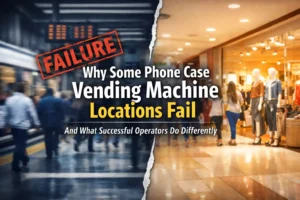
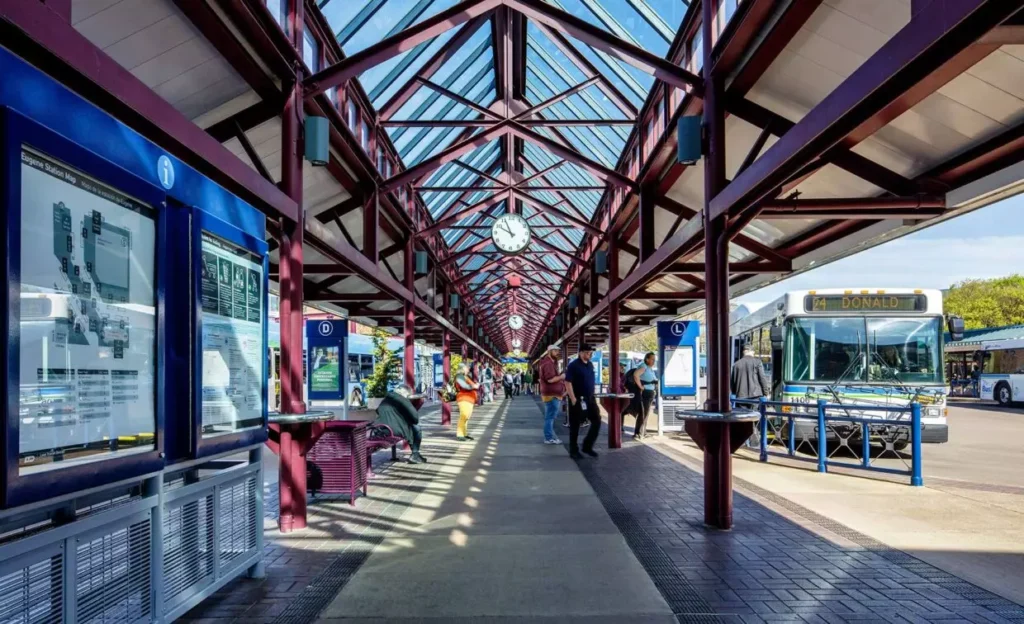
In high-traffic areas such as transit corridors, subway entrances, or fast-moving walkways, people are often in a hurry. Even if they notice a phone case vending machine, they may not have the time or mindset to stop, explore, and complete a customization process.
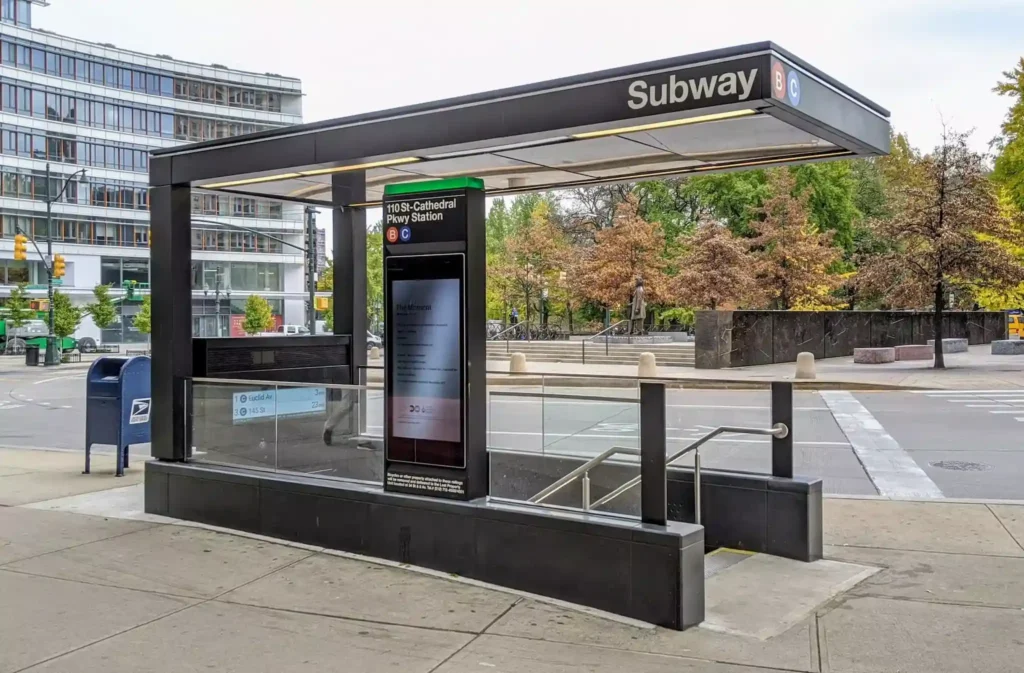
This is especially important because a phone case printing vending machine requires more engagement than traditional vending. Customers need a few minutes to select designs, upload images, and wait for printing.
Without the right environment, high traffic alone is not enough.
When Location Works Against You
Some locations can actually reduce performance, even if they appear attractive on paper.
For example:
- Areas where people are rushing (transport hubs during peak hours)
- Spaces with too many distractions
- Locations where customers do not feel comfortable stopping
- Environments that lack relevance to the product
In these cases, the machine may get visibility but very little real usage.
This highlights an important point: a phone case vending machine is not just about exposure—it is about engagement.
What Successful Locations Have in Common
After comparing different deployments, successful operators tend to choose locations that support interaction rather than just visibility.
These locations usually have three characteristics.
First, people have time. Shopping malls, leisure areas, and entertainment venues allow customers to slow down and explore.
Second, the environment feels comfortable. Customers are more willing to try a custom phone case vending machine when they feel relaxed rather than rushed.
Third, the product feels relevant. Locations connected to lifestyle, fashion, or accessories naturally align with phone case customization.
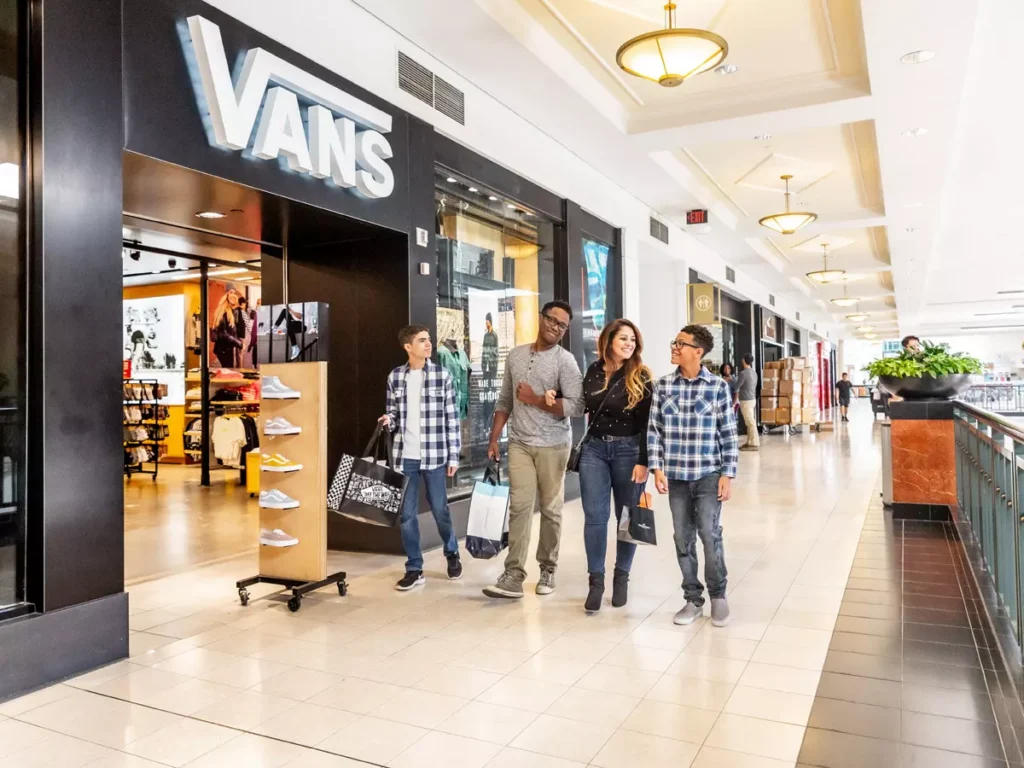
This is why many high-performing machines are placed in:
- Shopping malls
- Cinema complexes
- Tourist attractions
- Campus environments
The Importance of First-Time Experience
Another factor that influences performance is how easy it is for first-time users to try the machine.
Unlike traditional vending machines, a phone case printing vending machine introduces a new behavior: customization.
If the process feels unclear or intimidating, many potential customers will walk away.
Successful operators often focus on making the first interaction simple:
- Clear instructions on the screen
- Easy design selection
- Fast and visible printing process
Once customers understand how it works, they are much more likely to use it again.
Branding and Presentation Make a Difference
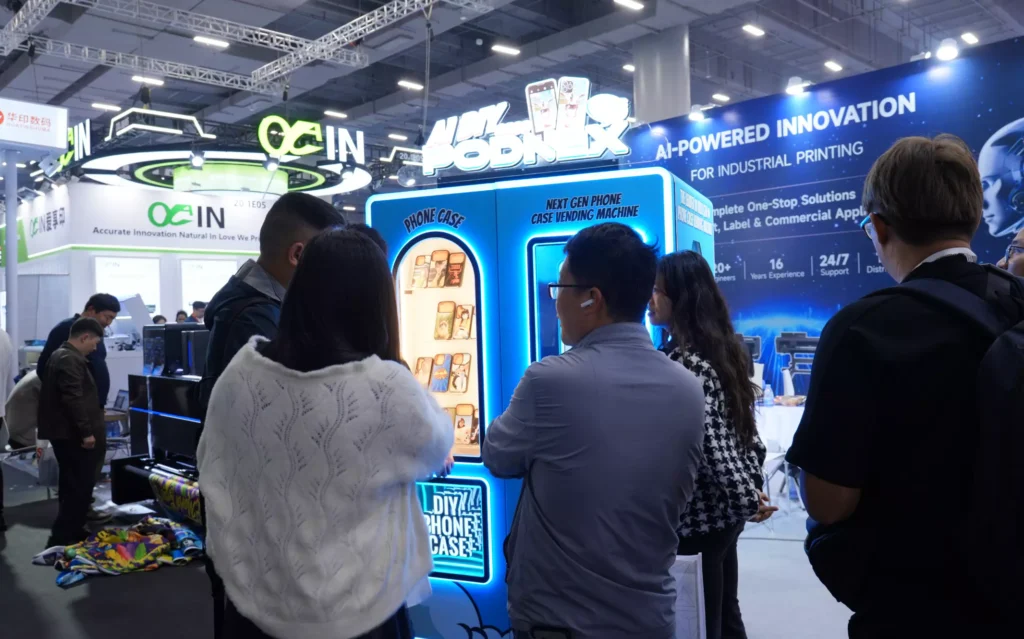
One detail that is often overlooked is how the machine is presented.
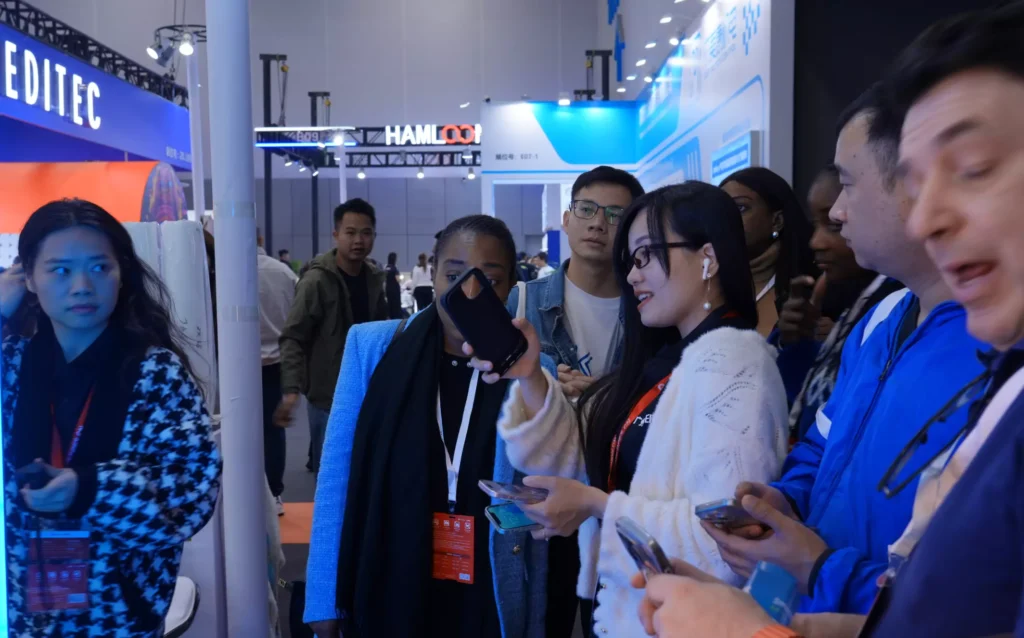
Machines that look generic or purely functional may not attract as much attention as those that feel like part of a brand experience.
In several markets, operators have improved performance by:
- Designing the machine with strong visual identity
- Adding lighting or display elements
- Positioning the machine within a themed retail space
This reinforces the idea that a phone case vending machine business is not just about equipment—it is about how the concept is perceived.
Learning from Underperforming Machines
Interestingly, some of the most valuable lessons come from machines that do not perform well.
In many cases, the issue is not the machine itself, but the combination of:
- Poor location fit
- Lack of engagement
- Weak presentation
For new operators, understanding these factors early can help avoid costly trial and error.
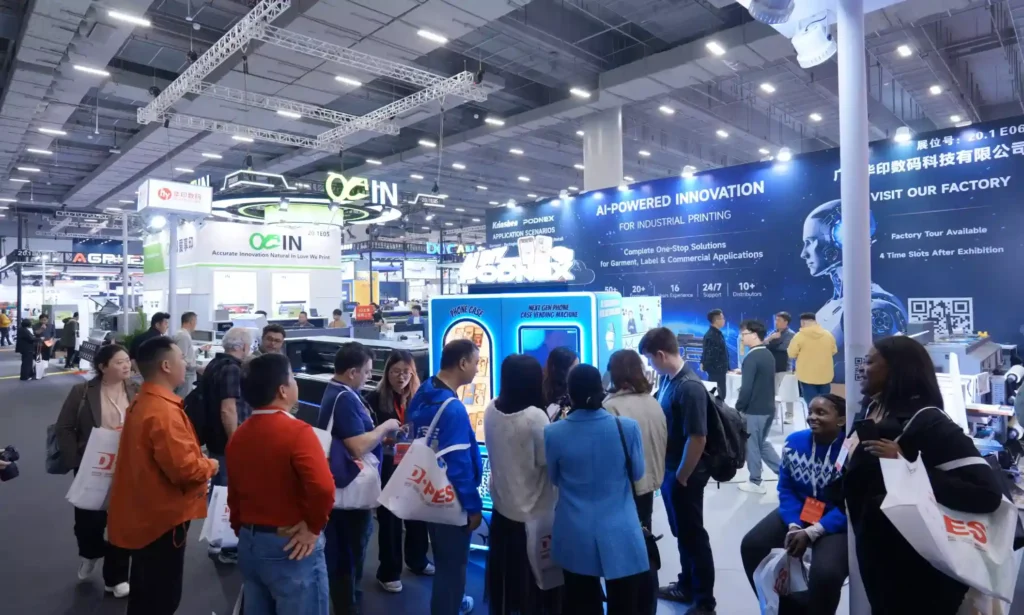
How PODNEX Supports Smarter Deployment
At PODNEX, we have seen that machine performance is closely tied to how well the deployment strategy matches local market conditions.
Because of this, we focus not only on the phone case vending machine hardware, but also on how operators approach:
- Location selection
- Customer interaction
- Visual presentation
- Ongoing optimization
Different markets require different strategies. What works in one city may not work in another, and flexibility is often key to long-term success.
As the custom phone case vending machine market continues to expand, operators who understand these nuances tend to perform more consistently.
Conclusion
The idea that “more traffic equals more sales” is one of the most common misconceptions in the vending industry.
For interactive machines such as phone case vending machines, success depends on a combination of location, environment, and customer experience.
By focusing on engagement rather than exposure, and by understanding how customers actually interact with the machine, operators can significantly improve performance.
As more entrepreneurs enter this space, those who take a more thoughtful approach to deployment will likely have a stronger advantage.