Introduction
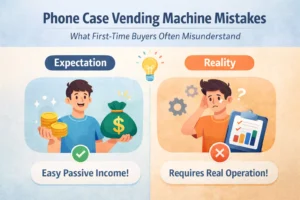
Many first-time buyers exploring the phone case vending machine business are often unaware of common phone case vending machine mistakes that can affect real-world performance.
As interest in the phone case vending machine business continues to grow, more first-time buyers are exploring this model as a potential investment.
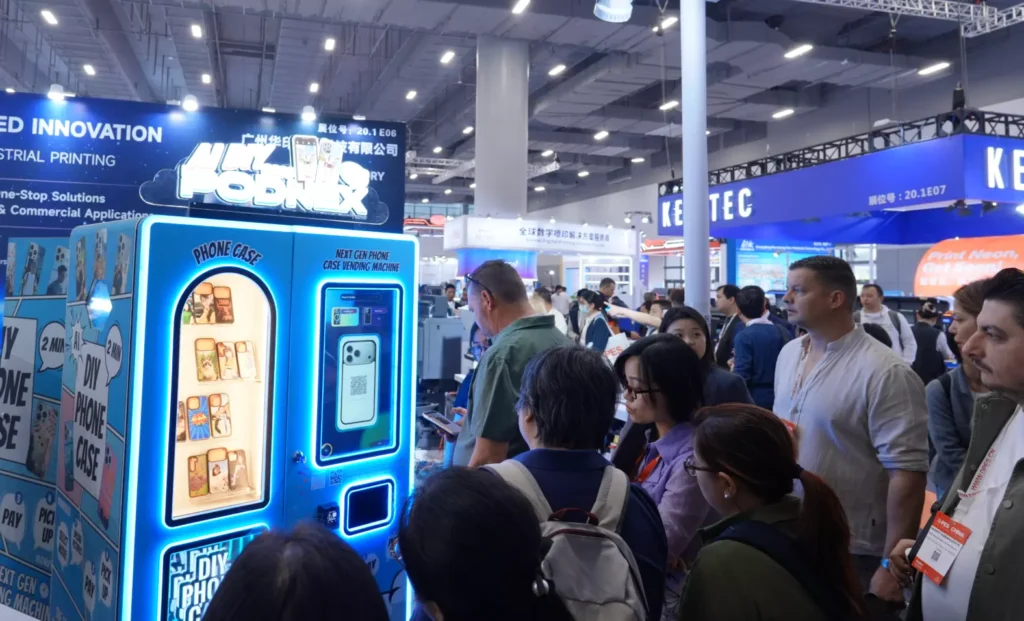
Many of them discover the concept through social media, exhibitions, or videos showing how a phone case printing vending machine works. The idea is often appealing at first glance: a compact machine, automated operation, and the ability to produce customized products on demand.
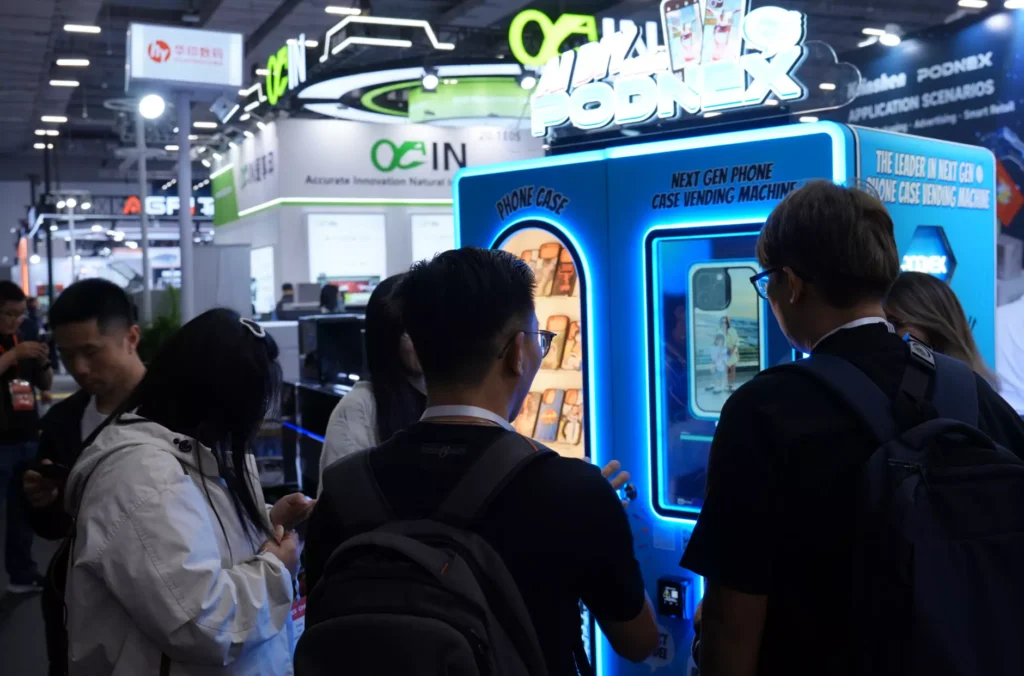
However, after speaking with many potential buyers and industry newcomers, we have noticed a pattern. There are several common misunderstandings about how this business actually works.
Clarifying these points is important, especially for those who are seriously considering entering the custom phone case vending machine market.
It’s Not Just About the Machine
One of the most common misunderstandings is that success depends mainly on the machine itself.
First-time buyers often focus heavily on specifications:
- Printing speed
- Resolution
- Screen size
- Hardware configuration
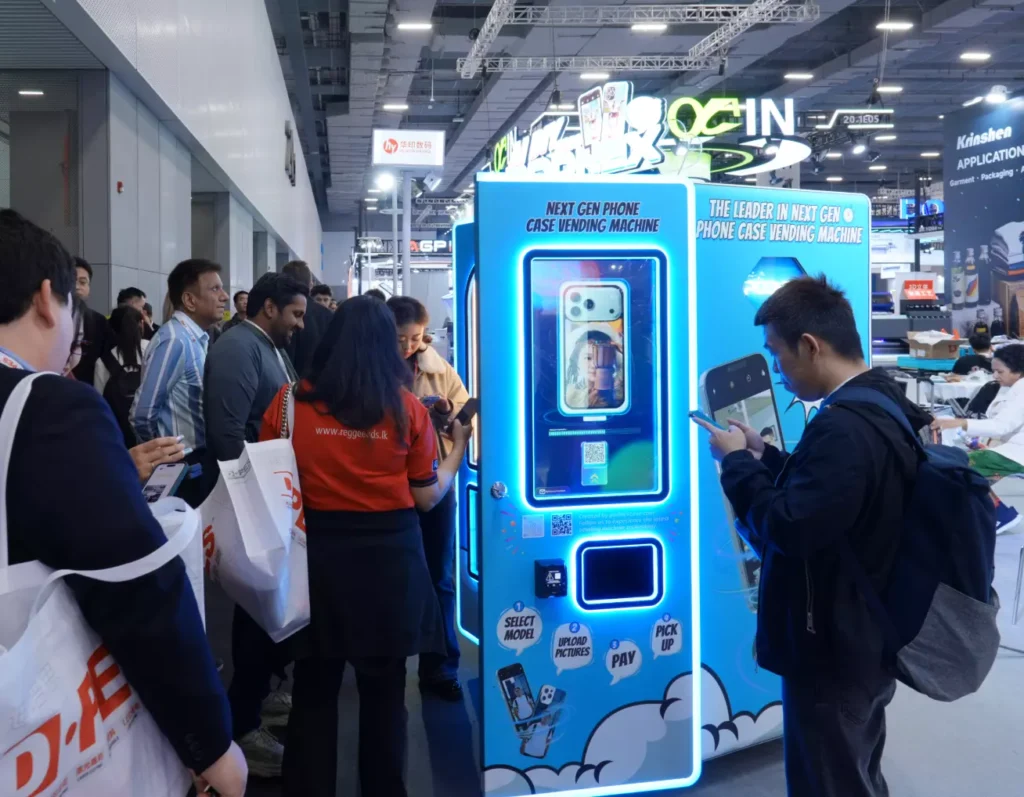
While these factors are important, they are only one part of the equation.
In reality, a phone case vending machine business is closer to a small retail operation than a simple equipment purchase. The machine is only the tool. The outcome depends on how it is used, where it is placed, and how it is positioned in the market.
High Traffic Doesn’t Always Mean High Sales
Another common assumption is that placing the machine in the busiest location will automatically generate strong results.
Foot traffic is important, but it is not the only factor.
For example, a location with very high traffic but low relevance—such as a transit corridor where people are in a hurry—may not perform as well as a slightly quieter location where customers have time to interact with the machine.
Because a custom phone case vending machine requires user interaction (designing, selecting, and waiting for printing), the environment must support engagement, not just exposure.
Customization Is a Process, Not an Instant Purchase
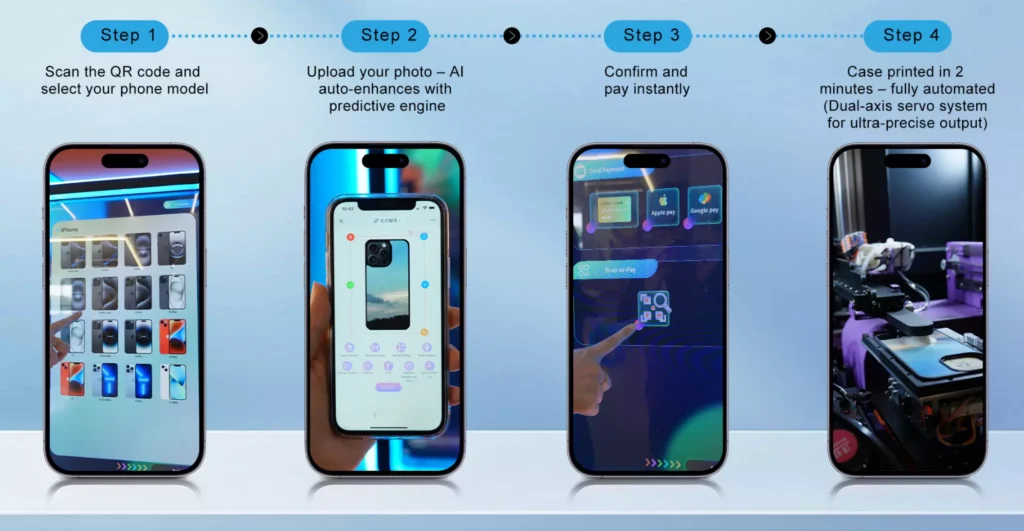
Many new buyers assume that customers will immediately understand how to use the machine.
In practice, customization involves a short learning curve:
- Uploading or selecting designs
- Adjusting layout
- Previewing the final product
For first-time users, this process may take a few minutes.
This is why the user experience design of a phone case printing vending machine is critical. A clear interface and intuitive workflow can significantly improve conversion rates.
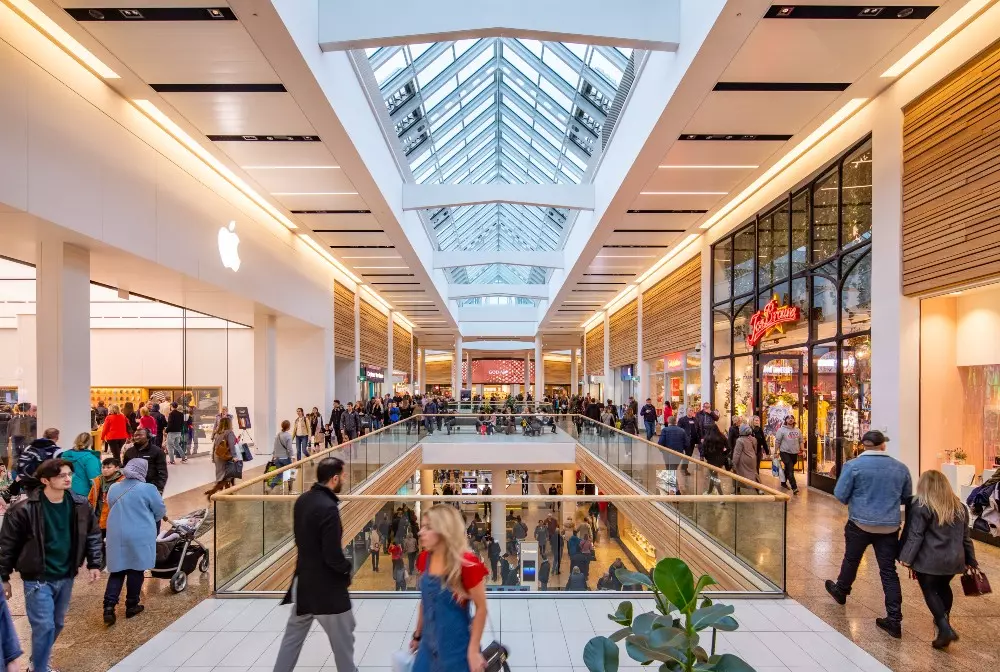
It also explains why some operators prefer locations where customers are more relaxed, such as shopping malls or leisure spaces.
Branding Matters More Than Expected
Another point that is often underestimated is the role of branding.
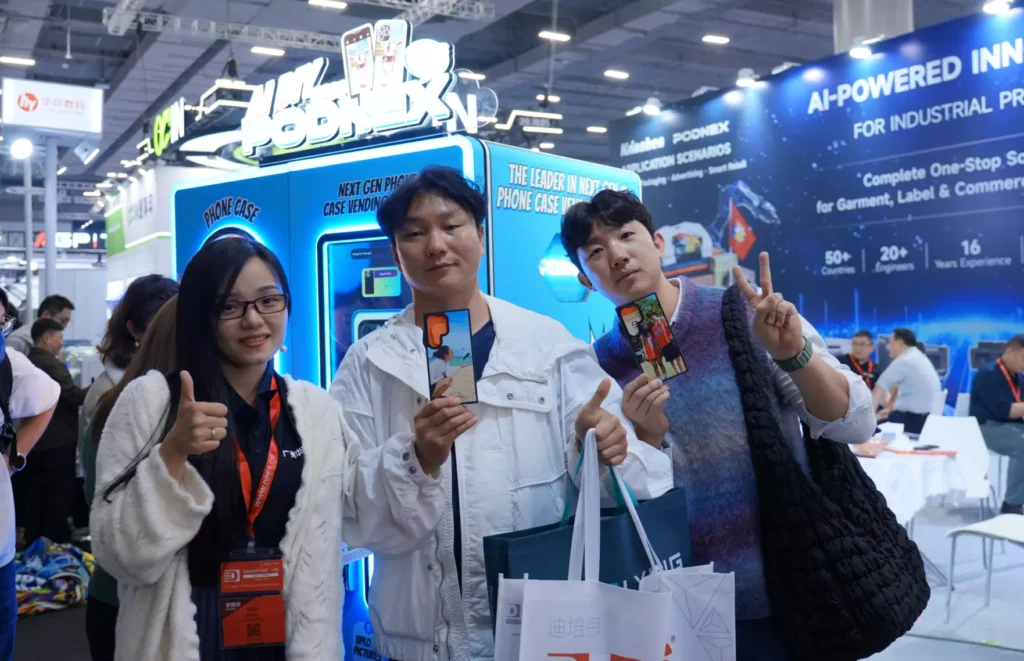
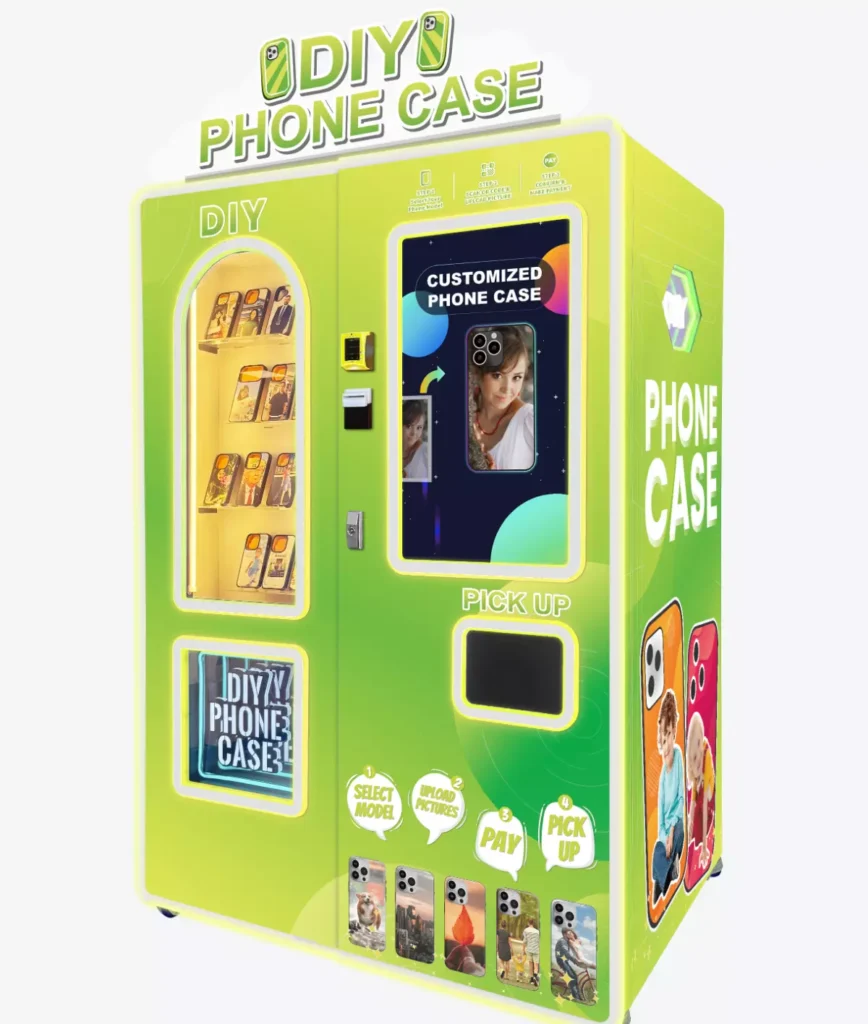
Some buyers initially view the machine as a standalone vending product. However, in practice, successful operators tend to treat the phone case vending machine as part of a broader retail concept.
Branding can influence:
- Customer trust
- Perceived product quality
- Willingness to try the machine
- Repeat usage
Even small elements—such as machine design, color scheme, or surrounding visuals—can make a noticeable difference.
The Business Doesn’t End After Installation
Some first-time buyers assume that once the machine is installed, the business will run automatically with minimal involvement.
While it is true that a phone case vending machine reduces labor compared to traditional retail, it still requires ongoing attention.
Operators need to:
- Monitor performance
- Update design templates
- Manage consumables
- Evaluate location performance
In other words, this is an automated business, but not a completely passive one.
Why These Misunderstandings Matter
These misunderstandings are not unusual. In fact, they are part of the natural learning process when entering a new industry.
However, having a clearer understanding from the beginning can help avoid unrealistic expectations and lead to better decisions.
The phone case vending machine business has strong potential, but like any retail model, it depends on execution.
How PODNEX Supports New Operators
At PODNEX, we often work with partners who are entering this space for the first time.
One thing we have learned is that providing the machine alone is not enough. What new operators need most is a clearer understanding of how the business works in real-world conditions.
Because of this, we focus not only on machine performance, but also on helping partners think through:
- Location selection
- User experience
- Deployment strategies
- Long-term operation
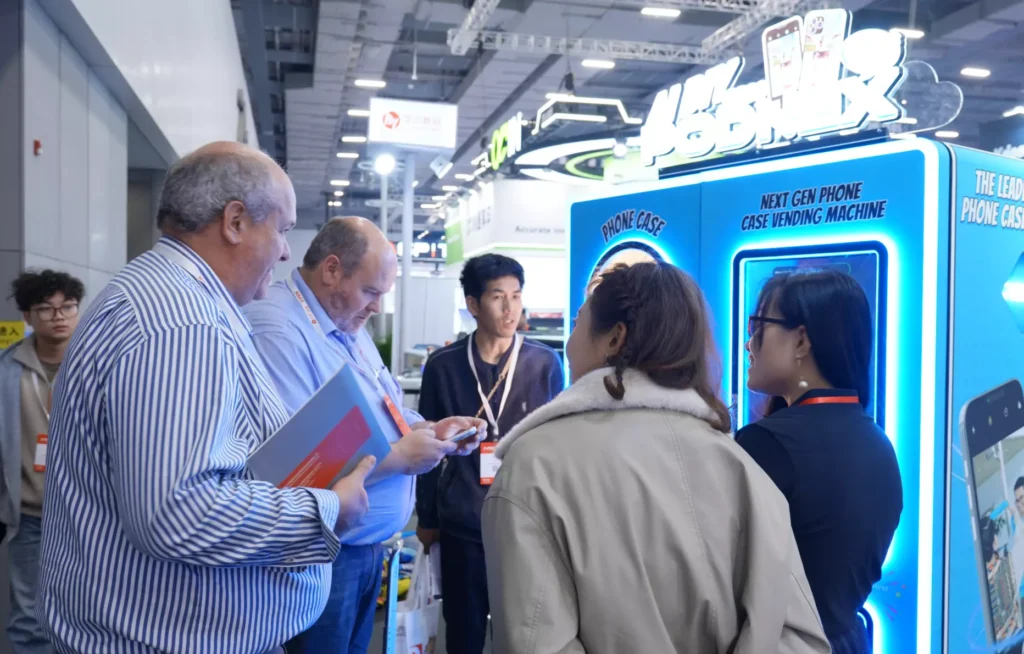
As the custom phone case vending machine market continues to expand, we believe that the gap between “buying a machine” and “running a business” will become even more important.
Conclusion
The growing interest in phone case vending machines shows that the market is evolving toward more personalized and automated retail solutions.
For first-time buyers, understanding what the business really involves can make a significant difference. It is not just about technology or hardware, but about how all elements—location, experience, and positioning—work together.
As more entrepreneurs enter this space, those who approach it with a clearer perspective are more likely to build sustainable and successful operations.