Introduction
Phone case vending machine evaluation is one of the most important steps before investing in this business. Choosing the right machine can determine whether you build a profitable, scalable operation—or face constant issues and low returns.
With many suppliers in the market, the difference between a successful business and a failed investment often comes down to how well you evaluate the machine before buying.
Here’s a practical, no-fluff checklist to help you make the right decision.
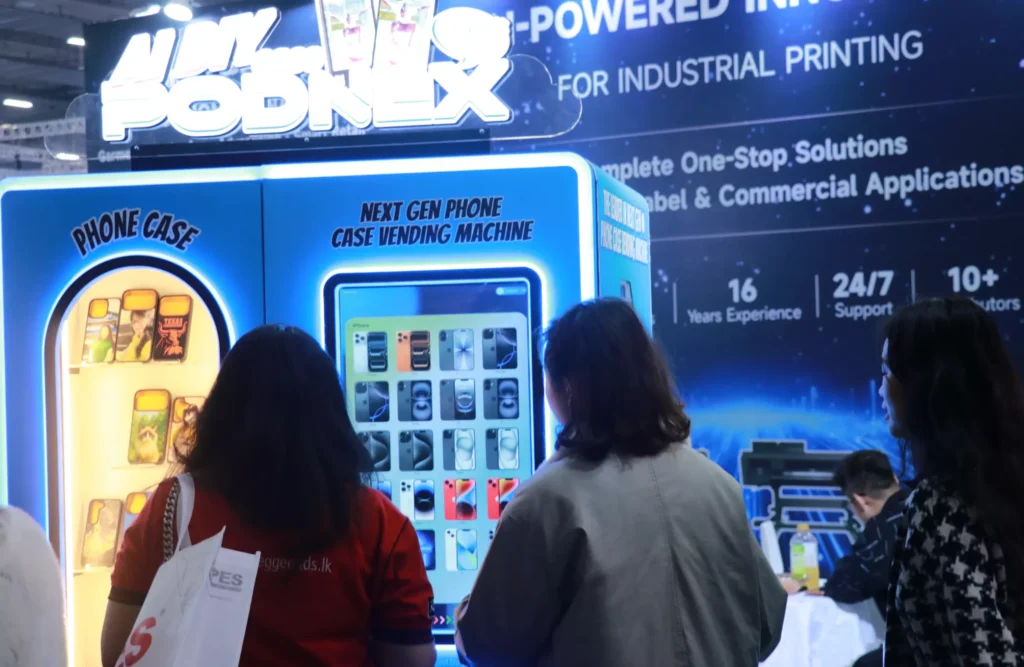
1. Printing Quality & Speed
When assessing printing quality, a detailed phone case vending machine evaluation should always include resolution, color accuracy, and durability testing.
The core of the business is the product itself—the printed phone case.
A reliable machine should offer:
- High-resolution printing (ideally up to 1200 DPI)
- Accurate color reproduction
- Scratch-resistant and durable output
- Fast production speed (around 60–120 seconds per case)
Machines using UV printing technology typically provide better durability and color stability, ensuring long-lasting results that customers trust.
Why it matters:
Better quality = higher perceived value = higher selling price.
2. Production Efficiency & Throughput
Speed is not just about customer experience—it directly impacts your daily revenue.
A good machine should:
- Complete one case within ~2 minutes
- Support continuous printing without delays
- Handle multiple queued orders smoothly
Some advanced machines can even go below 90 seconds per print cycle, enabling higher daily volume.
Example:
15 orders/day → steady income
30+ orders/day → strong profitability
3. Ease of Operation (Fully Automated or Not)
A complete phone case vending machine evaluation should also consider how easy it is for customers to use the system without assistance.
This business works best when it’s low-labor or unattended.
Look for features like:
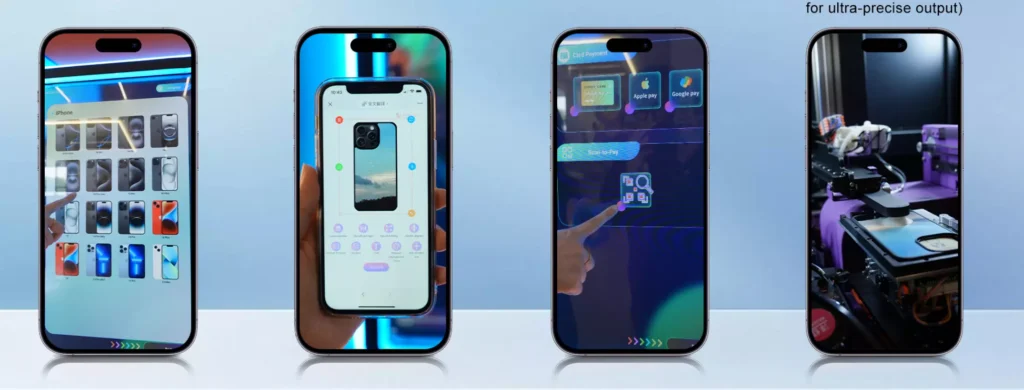
- Touchscreen interface with guided steps
- QR code ordering system
- Automatic printing and pickup
- Multi-language support
A well-designed system allows customers to:
- Scan →
- Upload design →
- Pay →
- Pick up in minutes
Why it matters:
Less human involvement = lower operating cost and easier scaling.
4. Machine Stability & Maintenance Requirements
Downtime is one of the biggest hidden costs.
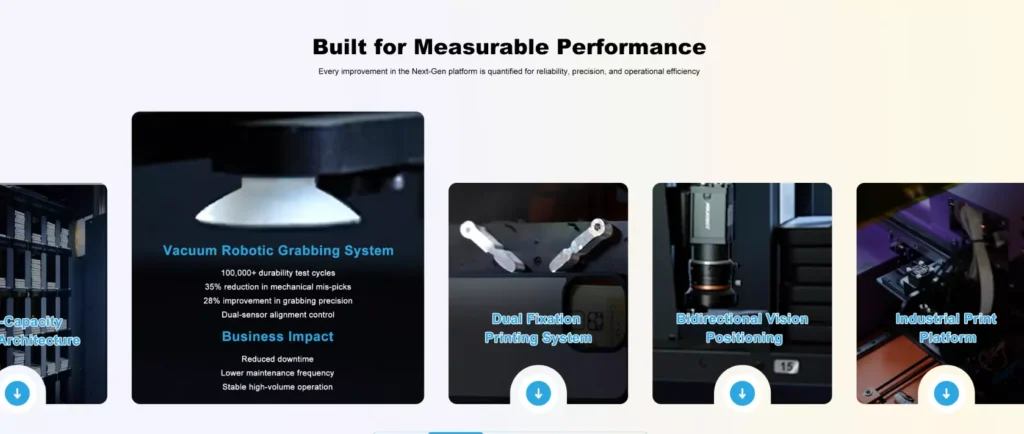
A reliable machine should include:
- Automatic cleaning system (e.g., every few hours)
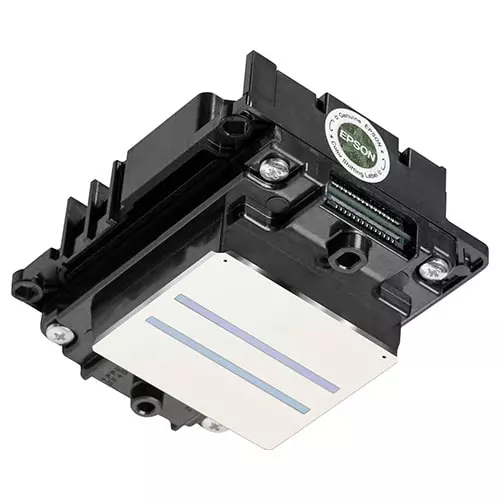
- Stable printhead with long lifespan
- Easy-access maintenance components
- Remote diagnostics or alerts
Basic maintenance should be simple:
- Daily check: 1–2 minutes
- Weekly cleaning: 15–20 minutes
Red flag:
If maintenance is complex or frequent, your real cost will increase significantly.
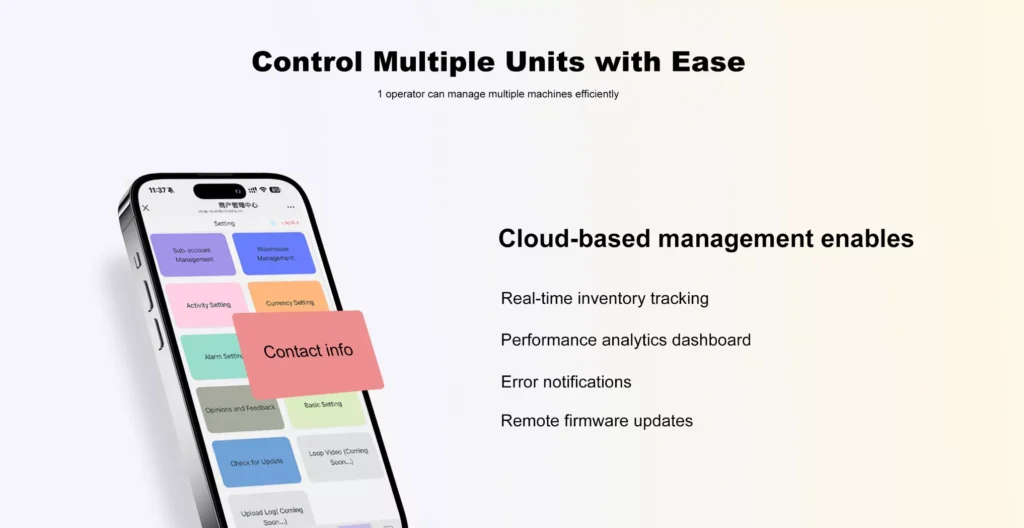
5. Cloud System & Remote Management
Modern vending businesses rely on data and remote control.
Essential features:
- Real-time sales tracking
- Inventory monitoring (cases & ink)
- Error alerts
- Multi-machine management
With a proper system, one operator can manage multiple machines remotely, reducing manpower needs.
Why it matters:
Scalability depends on system control, not just hardware.
6. Consumables Cost & Profit Margin
Always calculate your real profit, not just revenue.
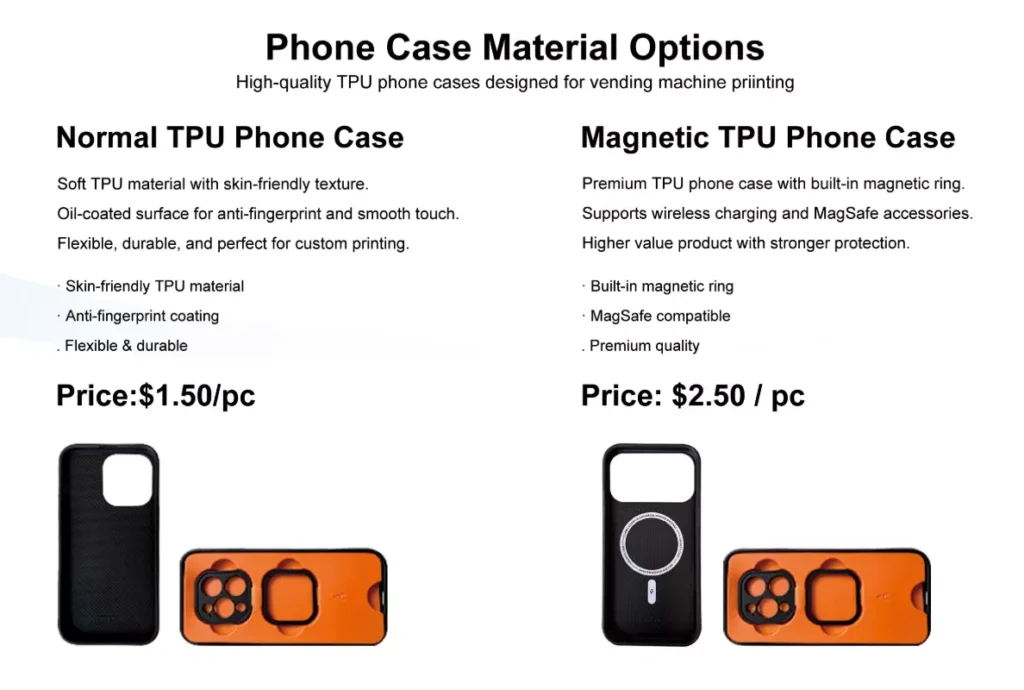
Typical cost structure:
- Phone case: ~$1.50
- Ink cost: ~$0.03
Selling price in many markets: ~$15–$25
This creates a strong profit margin per unit.
Example model:
15 cases/day → ~$8,000/month revenue potential (conservative estimate)
Key question to ask suppliers:
- Are consumables proprietary or open-source?
- Is supply stable and scalable?
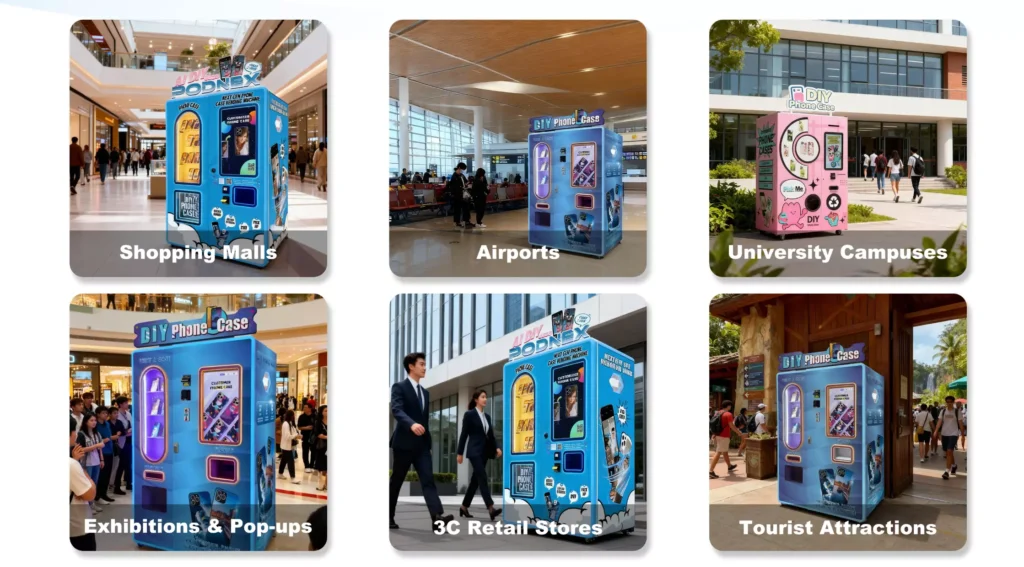
7. Location Compatibility
Even the best machine fails in the wrong location.
Before buying, confirm the machine fits:
- Shopping malls
- Tourist attractions
- Universities
- Airports
- Events & pop-ups
Key requirements:
- Power supply (110V/220V)
- Network connection (4G/WiFi)
- Footprint (~1 m²)
High-traffic areas (15k–25k daily visitors) are ideal for consistent sales.
8. After-Sales Support & Training
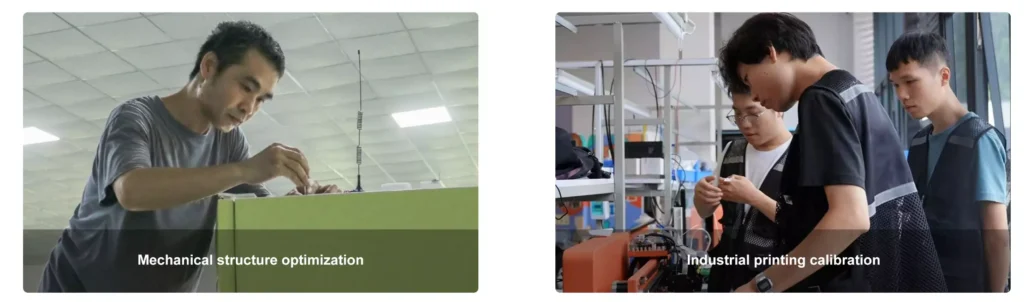
This is often overlooked—but critical.
A strong supplier should provide:
- Installation guidance
- Operation training
- Troubleshooting support
- Spare parts supply
- Fast response time
Without proper support, even a good machine can become unusable.
9. Business Model & Market Support
You’re not just buying a machine—you’re starting a business.
A good supplier should also help with:
- Pricing strategy
- Location selection
- Marketing materials
- Case design templates
- Social media content ideas
Why it matters:
Most failures are not technical—they are operational.

10. ROI & Payback Period
Finally, evaluate how fast you can recover your investment.
A well-performing machine can:
- Break even in 1–3 months
- Generate stable long-term passive income
Some models show payback periods as short as 20–30 days under ideal conditions.
Final Thoughts
Buying a phone case vending machine is not just about the price—it’s about long-term profitability and scalability.
Before making a decision, always evaluate:
- Product quality
- Machine stability
- Operating simplicity
- Cost structure
- Supplier support
If these five elements are solid, your chances of success increase dramatically.