Securing a profitable vending machine location has become one of the biggest challenges for new investors entering the phone case vending machine industry.
As personalized retail and unattended kiosks continue to expand globally, competition for premium vending machine locations is increasing rapidly.
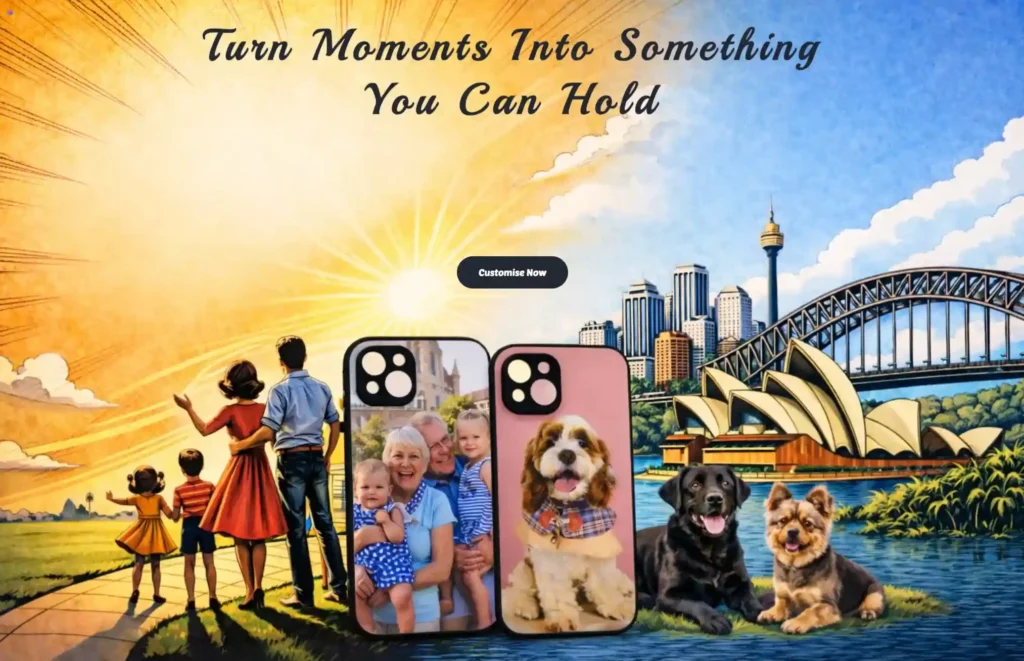
With AI-powered customization and instant production, a custom phone case vending machine combines:
- On-demand manufacturing
- Low labor cost
- High gross margins
- Scalable unattended retail operations
However, many new investors encounter the same obstacle:
They cannot secure a good location.
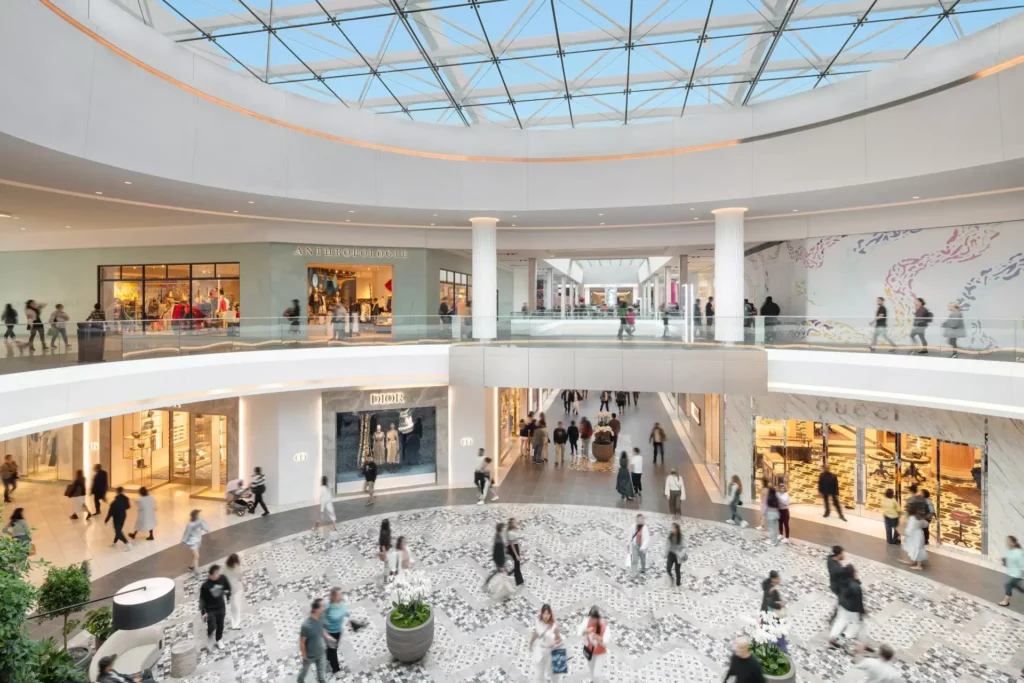
Shopping malls decline applications.
Some malls already host a phone case kiosk.
3C accessory stores claim exclusivity agreements.
Does this mean the market is saturated?
In most cases, no.
The difficulty in launching a phone case printing vending machine is not caused by market closure. It is usually caused by strategic mistakes in positioning, negotiation, and site selection.
This article explains:
- Why finding a location feels difficult
- The real reasons applications are rejected
- How experienced operators secure high-traffic spots
- A structured evaluation framework for site selection
If you plan to start a custom phone case business, understanding these principles is essential.
1. Why Finding a Vending Machine Location Feels Difficult
1.1 Premium Locations Are Limited by Nature
A profitable phone case vending machine depends heavily on:
- High daily foot traffic
- Clear visibility
- Youth-oriented demographics
- Controlled rent-to-revenue ratio
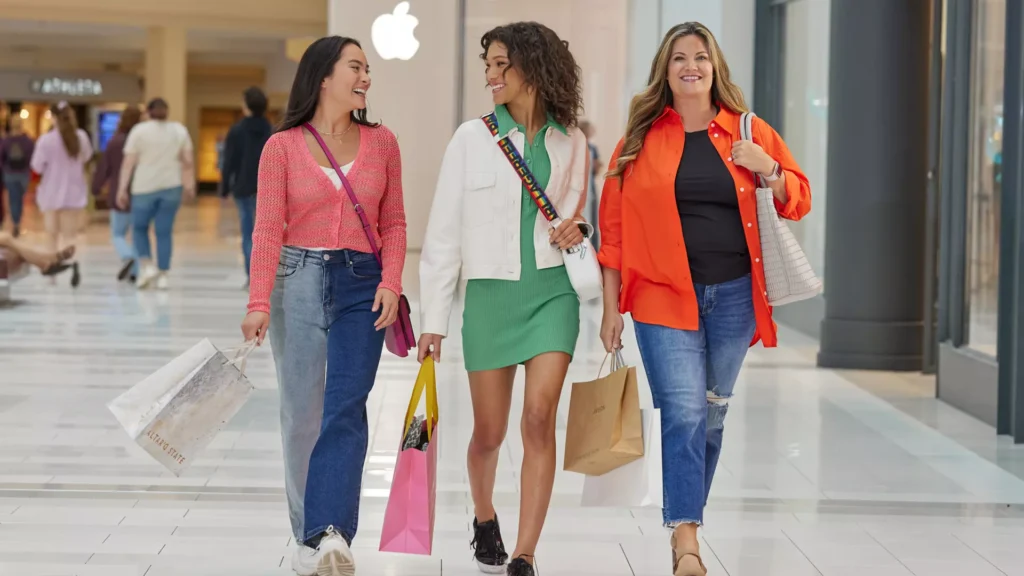
Prime areas inside shopping malls — near escalators, food courts, and main corridors — are limited in number. These zones are also in demand by beverage brands, claw machines, capsule toy kiosks, and other unattended retail vending machines.
The issue is not that locations do not exist.
The issue is that premium locations require a strong proposal.
1.2 3C Stores and Accessory Retailers Claim Exclusivity
A common objection from mall management is:
“There is already a phone accessories store.”
This comparison is inaccurate.
A traditional 3C store sells pre-manufactured products.
A custom phone case vending machine provides:
- Instant personalization
- AI-enhanced image processing
- Real-time production
- Social-media-ready designs
- 2–3 minute turnaround
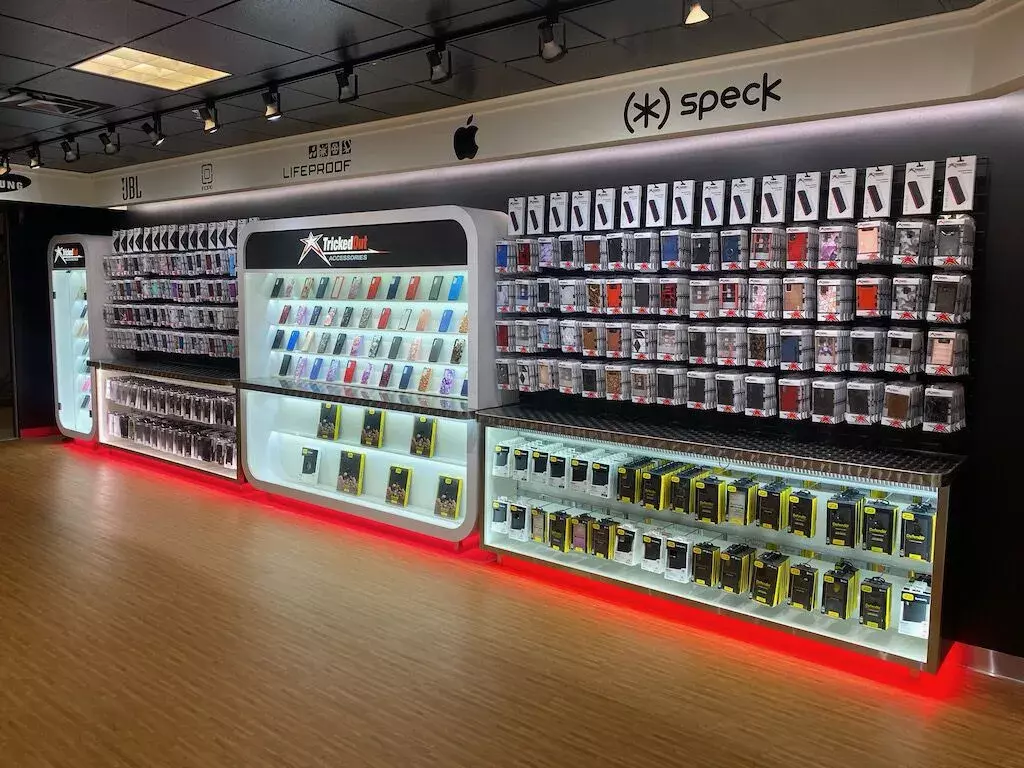
It functions closer to an interactive personalization kiosk than a retail shelf.
When investors position the machine simply as “a phone case vending machine,” it appears to compete directly with accessory stores.
When positioned correctly as an AI phone case printer delivering experience-driven customization, the business model becomes differentiated.
The framing determines acceptance.
1.3 Mall Management Prioritizes Risk Control
Shopping centers evaluate proposals based on:
- Stability of revenue
- Brand reliability
- Operational risk
- Visual consistency
- Customer complaint risk
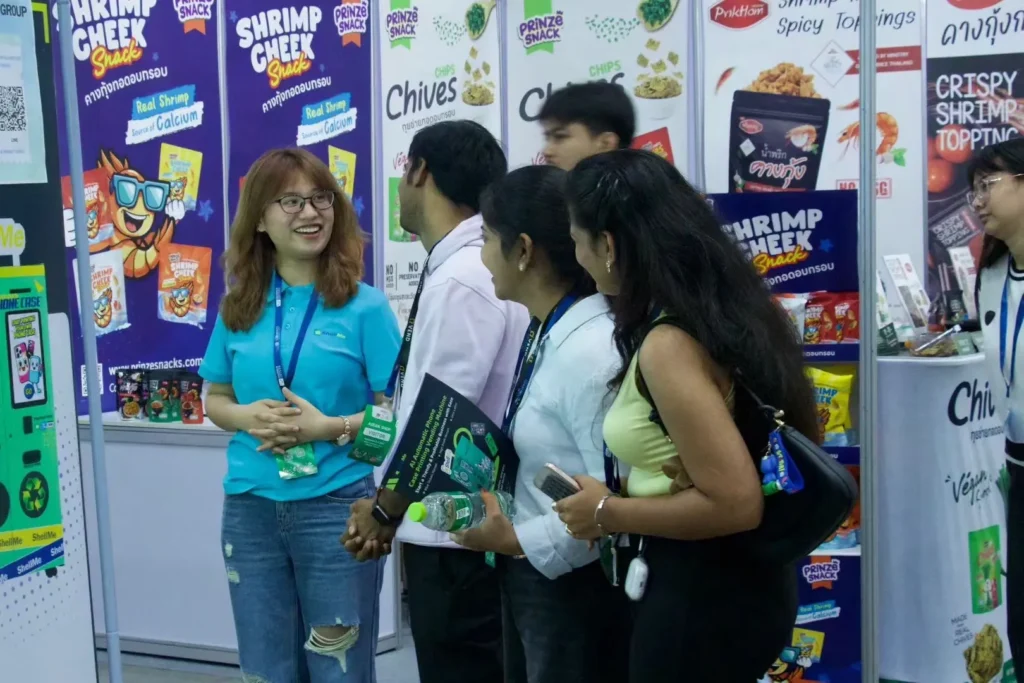
New investors often approach malls without:
- A revenue model
- Comparable case studies
- Traffic analysis
- Rent ratio calculation
Without data, the proposal appears experimental.
With data, the proposal appears professional.
This distinction is critical.
1.4 Presence of Existing Machines Does Not Mean Saturation
In some locations, an older phone case printing machine may already exist.
However, not all machines are equal.
Modern AI-powered custom phone case vending machines offer:
- AI portrait enhancement
- Automatic background removal
- Cartoon avatar conversion
- Cloud inventory monitoring
- Faster print cycles
- Higher image restoration accuracy
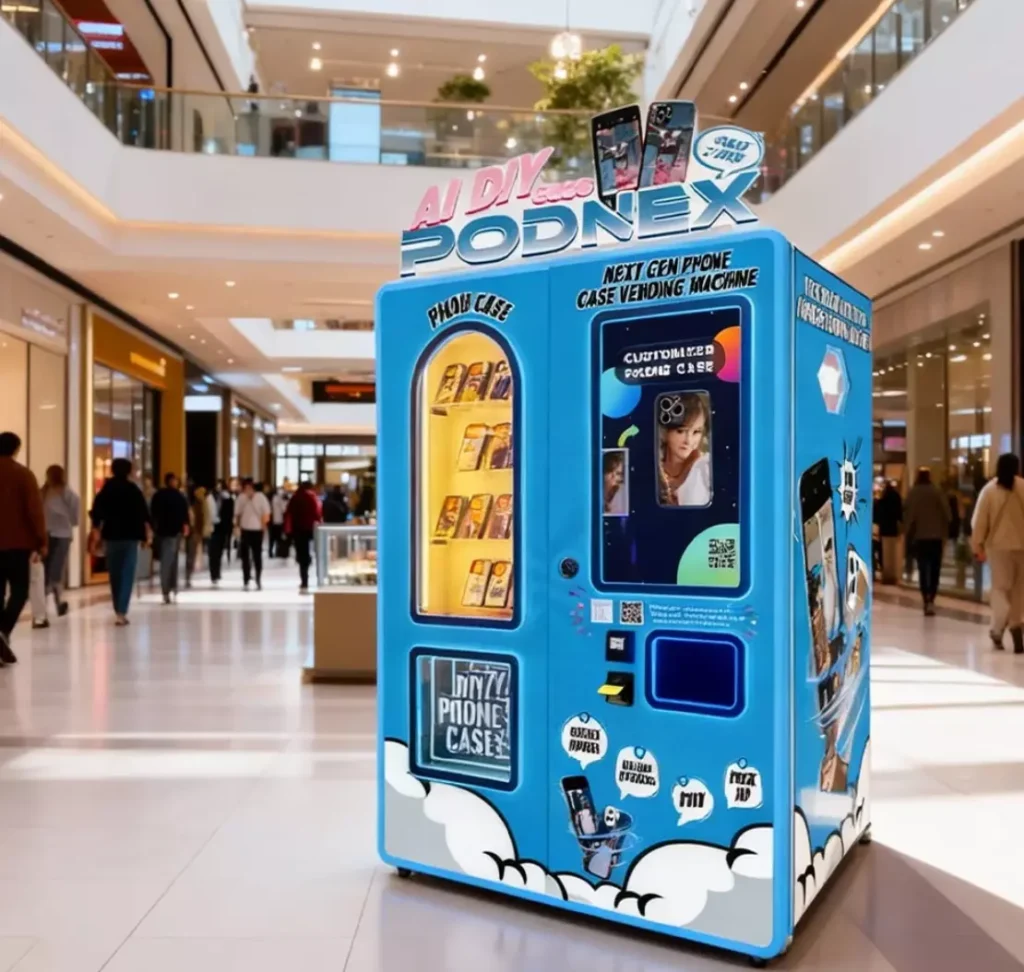
Technological improvement creates differentiation.
The existence of one device does not eliminate demand. It often validates demand.
2. The Real Reasons New Investors Fail to Secure Locations
Most location failures stem from four structural mistakes.
2.1 No Clear Profit Model
Mall operators expect clear revenue forecasting.
A basic profit structure for a personalized phone case vending machine typically follows:
Monthly Profit = (Selling Price – Cost per Case) × Monthly Volume
In many markets:
- Selling price ranges between $15–$25
- Cost per case (blank shell + ink) is typically low
- 10–20 daily sales are achievable in high-traffic areas
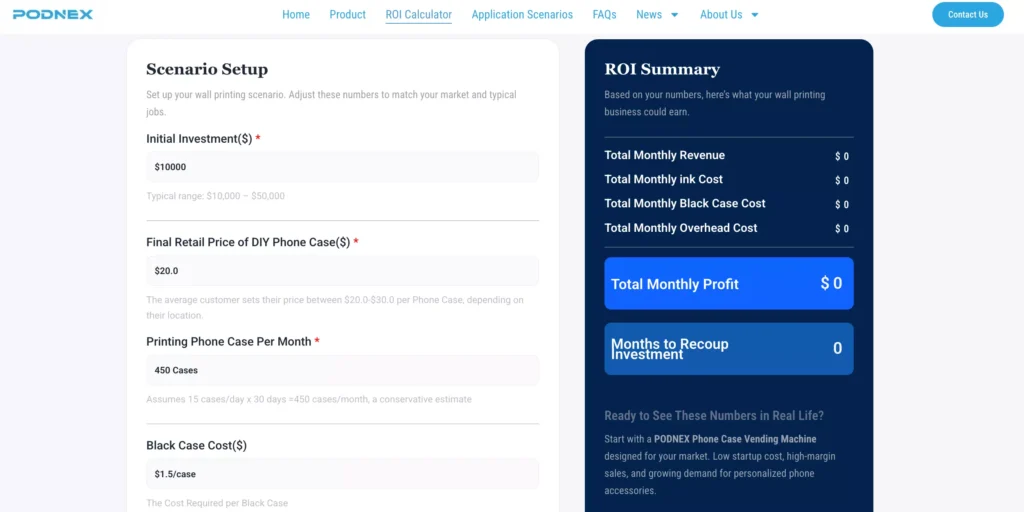
Without presenting a structured revenue model, negotiations lose credibility.
2.2 Incorrect Rent Strategy
Many beginners accept high fixed rent without negotiation.
Experienced operators often propose:
- Fixed rent + revenue share (10–15%)
- Short-term trial placement
- Pop-up deployment test period
Revenue-sharing models reduce perceived risk for the mall and significantly increase approval probability.
2.3 Weak Positioning Language
If the proposal is framed as:
“A vending machine selling phone cases.”
It sounds ordinary.
If it is framed as:
“An AI-powered personalized retail kiosk increasing dwell time and social engagement.”
It becomes value-adding.
Presentation affects acceptance.
2.4 Overcomplicated Inventory Planning
A typical phone case printing vending machine may support dozens of models.
However, successful operators start with:
-
Top 10–20 local phone models
-
Simplified SKU management
-
Clear restocking cycles
Operational simplicity improves early-stage stability.
3. How Experienced Operators Secure High-Traffic Locations
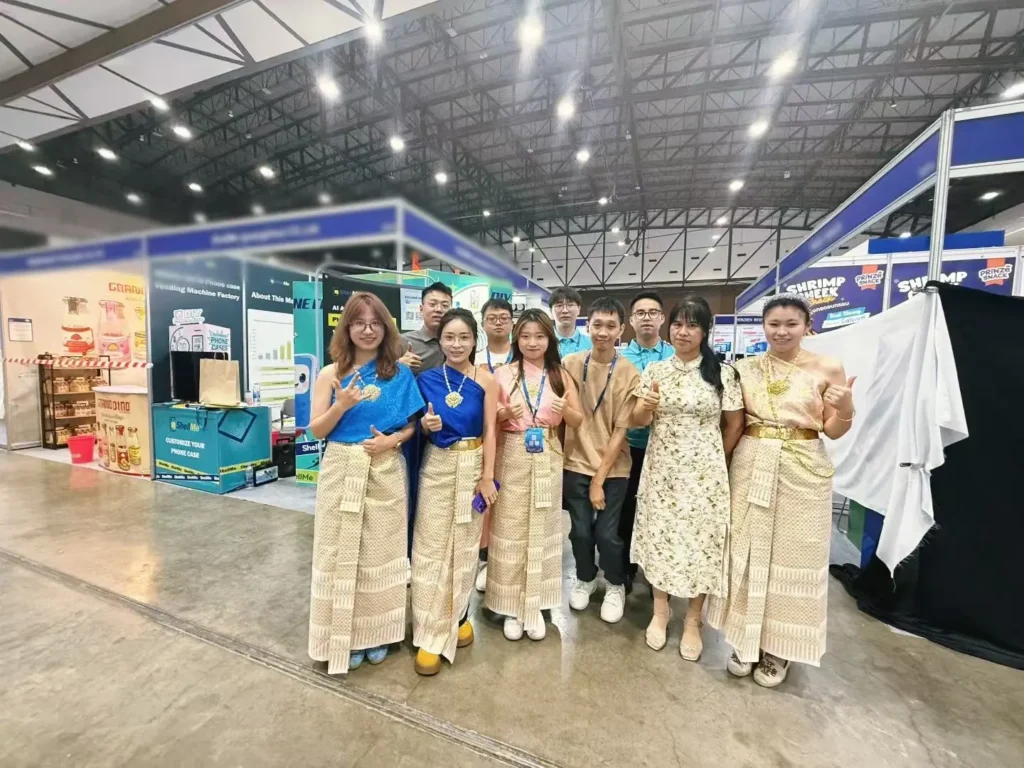
Professionals approach site selection methodically.
3.1 They Use Traffic-Based Evaluation
Before negotiating, they evaluate:
-
Weekday traffic threshold
-
Weekend traffic increase
-
Direct line-of-sight visibility
-
Distance from escalators or food courts
-
Competition radius
Location selection is data-driven.
3.2 They Offer Value Beyond Rent
A custom phone case machine can:
- Display mall promotional content
- Integrate seasonal templates
- Support limited-edition event designs
- Increase interactive engagement
By presenting the machine as an experiential marketing asset, approval rates improve.
3.3 They Start With Pilot Deployment
Rather than demanding prime positioning immediately, they:
- Launch in a secondary but visible location
- Collect real sales data
- Present performance reports
- Negotiate relocation after proof
Data reduces negotiation friction.
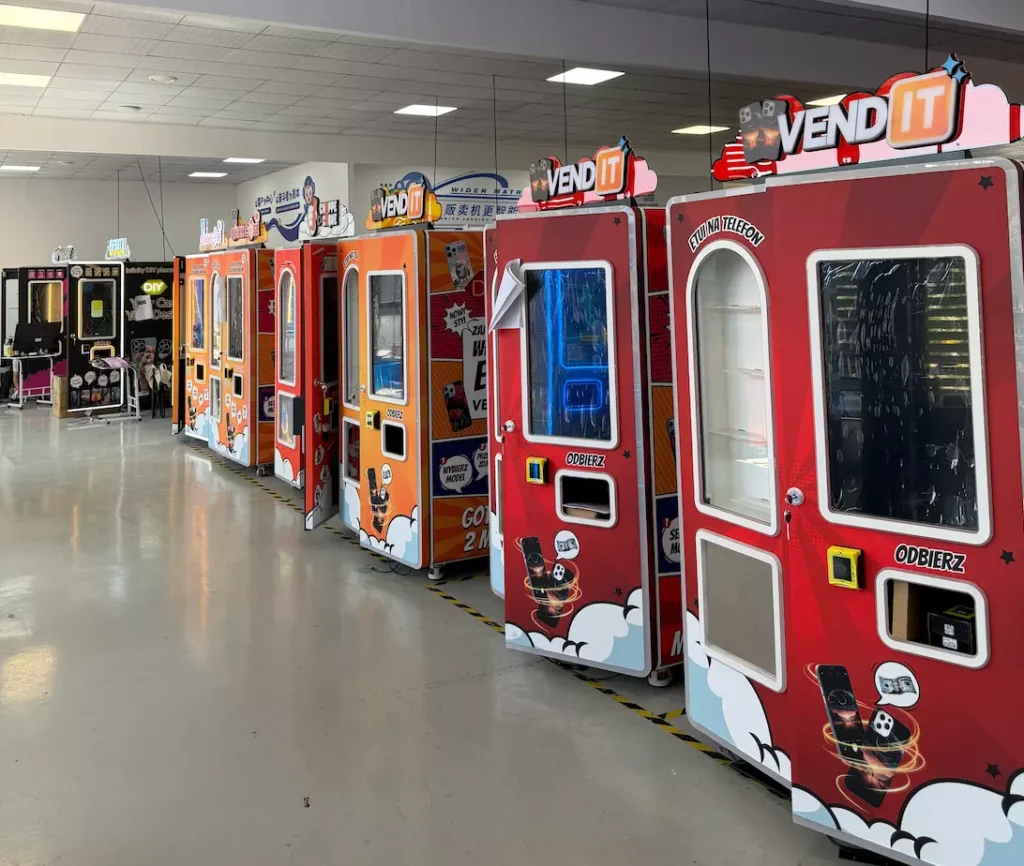
3.4 They Think in Scalable Systems
The goal is not one machine.
The goal is:
- First machine: validate the model
- Second machine: replicate in similar environments
- Third machine: standardize operations
That is how a profitable vending machine business scales.
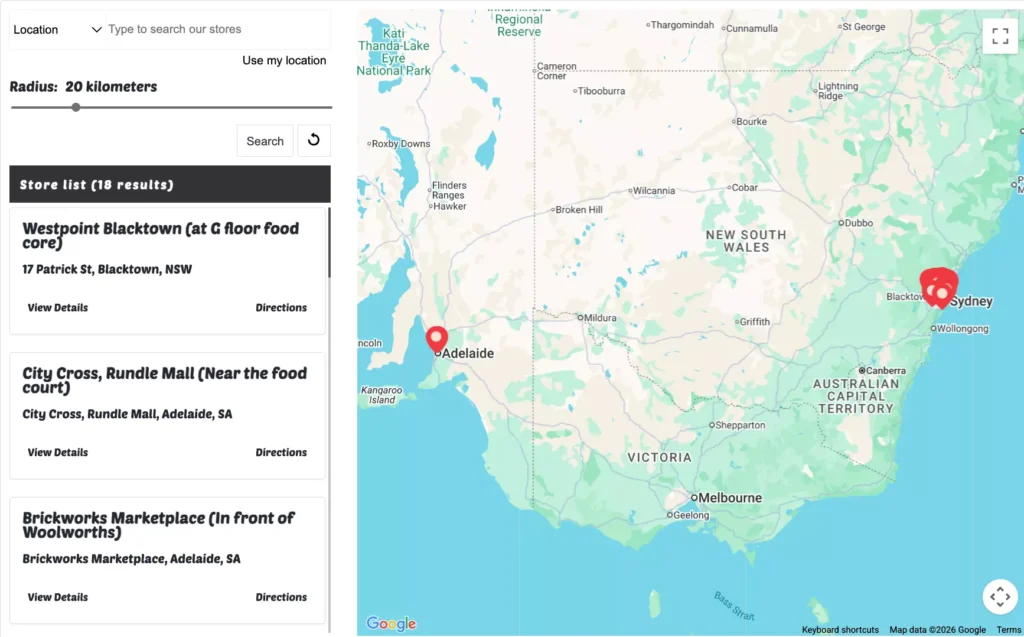
4. Location Types With Strong Performance
Based on global deployment patterns, high-performing environments for a phone case printing vending machine include:
Shopping malls
University campuses
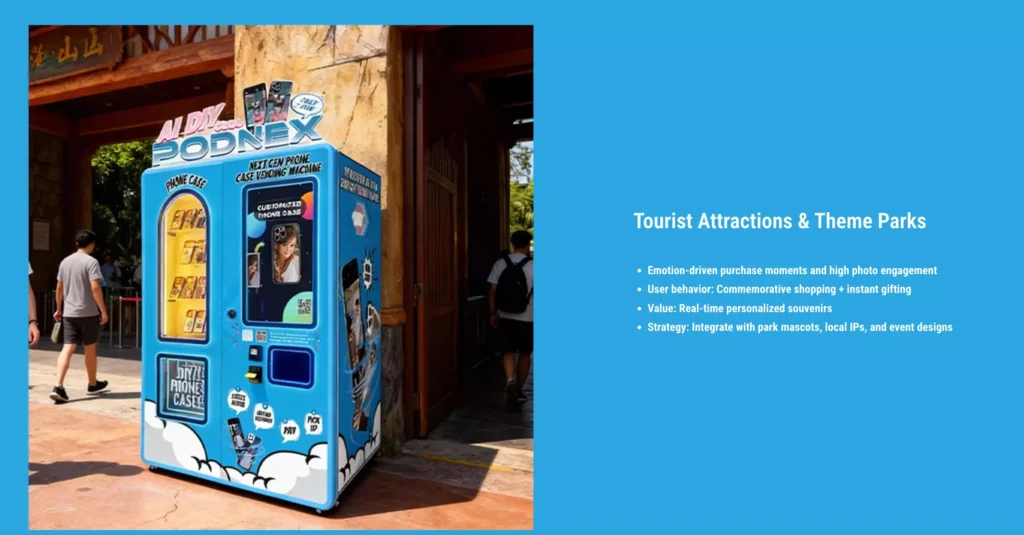
Tourist attractions
Airports and transport hubs
Exhibitions and pop-up events
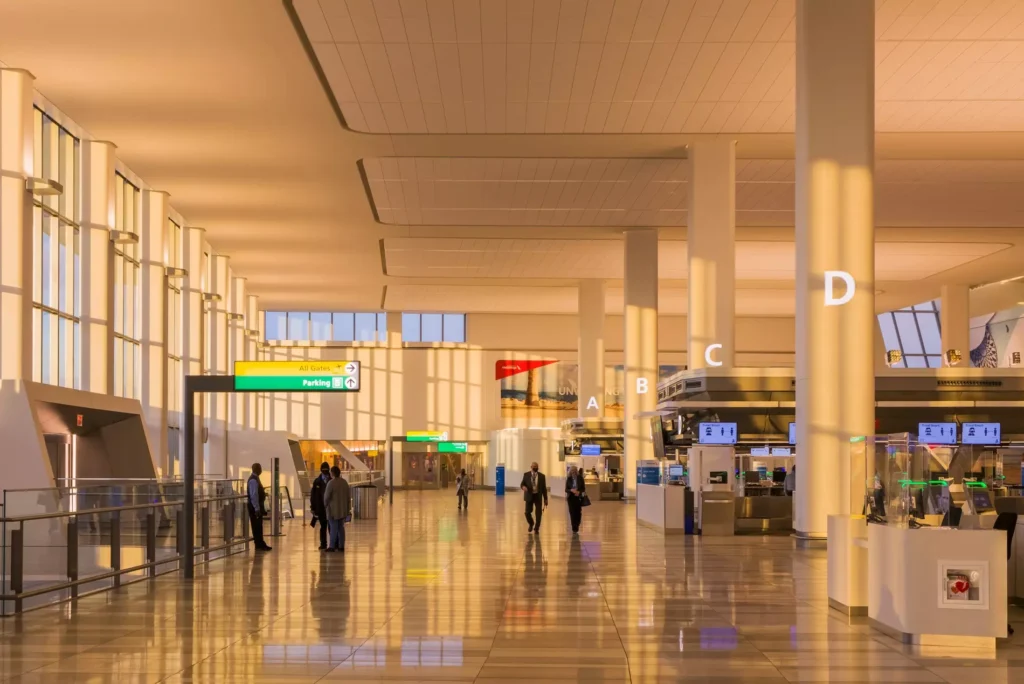
The common factor is:
High foot traffic combined with emotional purchasing triggers.
Personalization performs best where consumers are already engaged.
5. The Core Insight: Strategy Determines Success
The phone case vending machine industry is still expanding in many regions.
However, it is not an automatic success model.
Technology alone does not secure profitability.
Success depends on:
- Strategic positioning
- Data-based site evaluation
- Negotiation structure
- Operational discipline
- Gradual scaling
Investors who treat it as a structured unattended retail business model succeed.
Those who treat it as a passive machine placement experiment often struggle.
Considering Launching a Custom Phone Case Vending Machine?
Before finalizing a location, evaluate:
- Daily traffic estimates
- Rent-to-revenue ratio
- Competitive landscape
- Demographic fit
- Visibility conditions
A structured evaluation reduces risk and improves long-term scalability.
The opportunity exists.
The advantage goes to operators who approach it professionally.